




The Future of Waste Management and Recycling Solutions
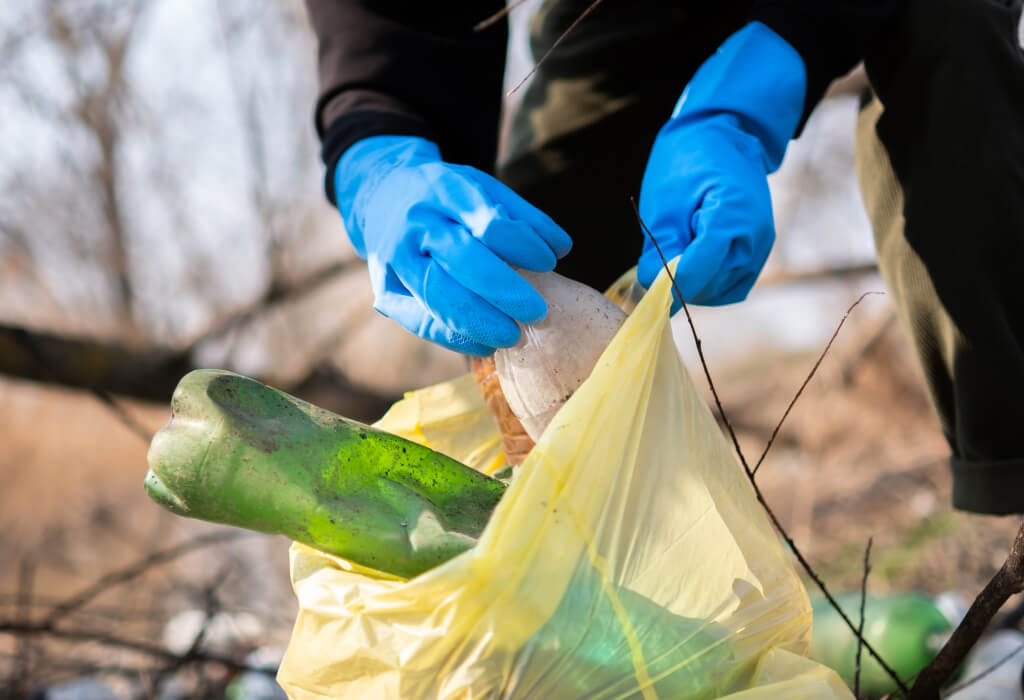
The future of waste management is rapidly evolving as global awareness around environmental sustainability continues to grow. With increasing urbanization and industrial expansion, traditional waste disposal methods are no longer sufficient. Modern solutions now focus on reducing waste generation, improving recycling efficiency, and minimizing environmental impact through smarter systems and technologies. Innovations such as automated waste sorting, AI-driven recycling processes, and smart waste collection systems are transforming how waste is handled. These advancements not only improve operational efficiency but also significantly reduce the amount of waste that ends up in landfills. As a result, businesses and municipalities are adopting more intelligent and data-driven approaches to waste management. “The Earth does not belong to us; we belong to the Earth. All things are connected like the blood that unites one family.” — Chief Seattle Sustainability is becoming the core principle behind every waste management strategy. Governments and organizations worldwide are implementing stricter regulations and encouraging eco-friendly practices. From reducing single-use plastics to promoting circular economy models, the focus is shifting toward long-term environmental responsibility rather than short-term convenience. Another key aspect of the future is community involvement. Public awareness campaigns and educational initiatives are empowering individuals to take responsibility for their waste. Simple actions like segregation at source, recycling, and reducing consumption play a vital role in creating a cleaner and greener environment. As technology and sustainability continue to intersect, the waste management industry is set to become more efficient, transparent, and environmentally conscious. The future holds promising opportunities for innovation, collaboration, and global impact, paving the way for a world where waste is no longer seen as a problem but as a valuable resource.
Latest Trends in Industrial Waste Management Solutions
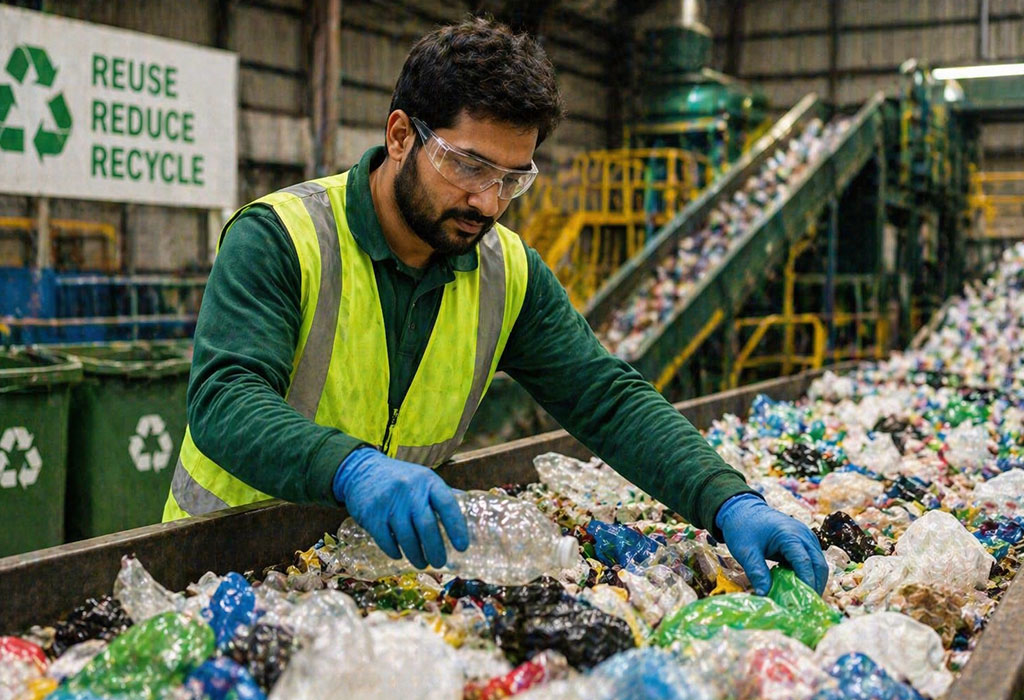
Industrial waste management is undergoing a significant transformation as industries adopt smarter and more sustainable practices. With increasing environmental regulations and global awareness, businesses are now prioritizing efficient waste handling systems that reduce environmental impact while improving operational efficiency. This shift is driving innovation across the sector, making waste management a key part of industrial strategy. One of the most notable trends is the integration of advanced technologies such as automation, artificial intelligence, and data analytics. These tools enable real-time monitoring, better sorting of waste materials, and optimized recycling processes. As a result, industries can significantly reduce waste generation and improve resource recovery, leading to both economic and environmental benefits. “The greatest threat to our planet is the belief that someone else will save it. Sustainable industrial practices are not an option—they are a responsibility we must all embrace.” — Robert Swan Another emerging trend is the move toward a circular economy model, where waste is treated as a valuable resource rather than a byproduct. Companies are increasingly focusing on reusing materials, recycling industrial byproducts, and minimizing landfill dependency. This approach not only reduces environmental harm but also creates new business opportunities through resource recovery and reuse. Sustainability reporting and compliance have also become essential components of industrial waste management. Organizations are now required to track, measure, and report their waste management practices. This transparency encourages responsible behavior and helps companies build trust with stakeholders, customers, and regulatory bodies. Looking ahead, collaboration between industries, governments, and environmental organizations will play a crucial role in shaping the future of waste management. By working together, these entities can develop innovative solutions, share best practices, and create a more sustainable and efficient waste management ecosystem for future generations.