


Sustainable Living Made Simple for Everyday Life
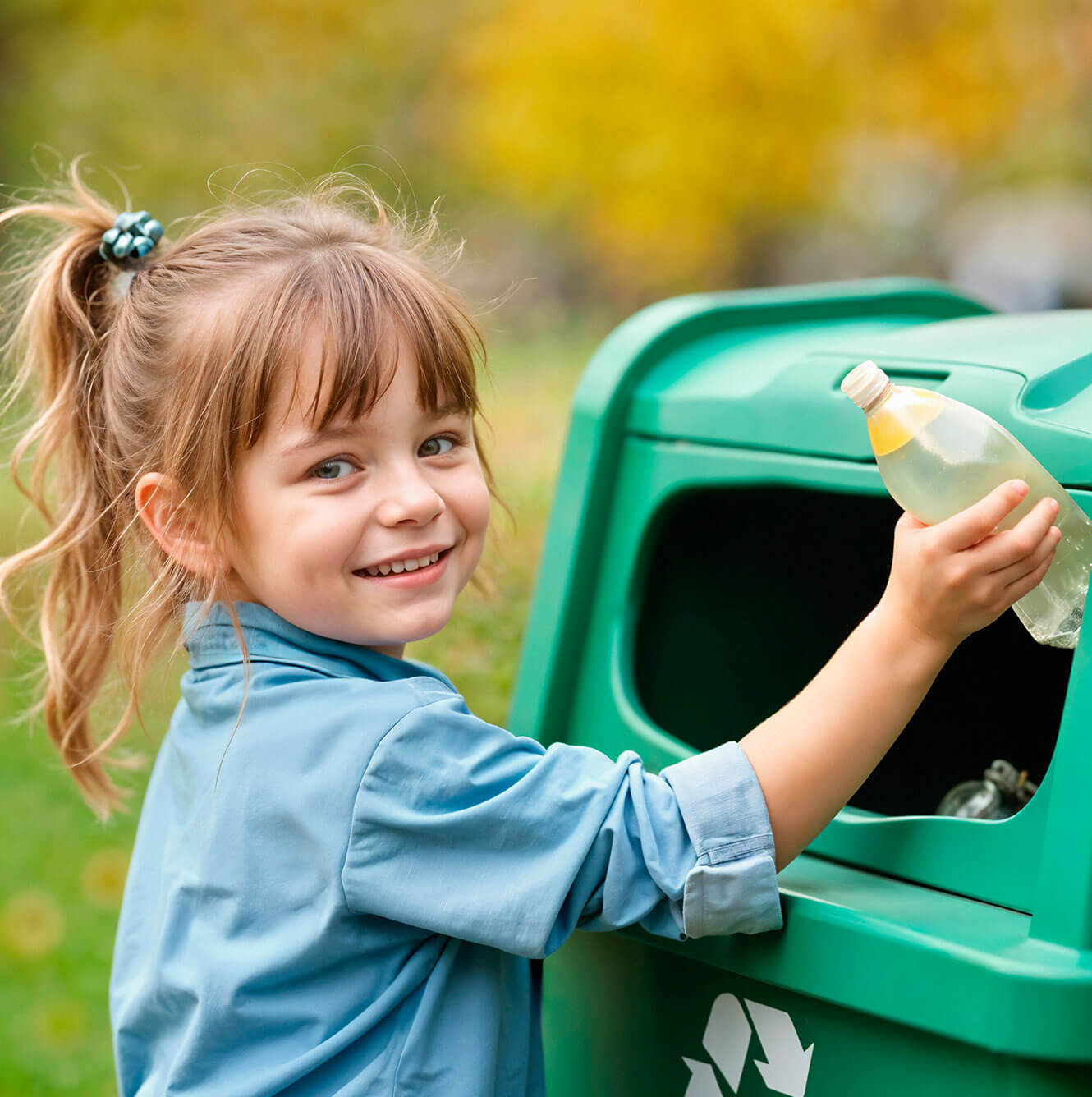
Sustainable living is no longer a complex concept reserved for environmental experts—it has become a practical and achievable lifestyle for everyone. By making small, mindful choices in our daily routines, we can significantly reduce waste, conserve resources, and contribute to a healthier planet. From reducing plastic usage to embracing reusable alternatives, every step plays a vital role in creating long-term environmental impact. Adopting a sustainable lifestyle begins with awareness and intention. Simple actions such as separating waste, recycling materials, and minimizing unnecessary consumption can transform the way we interact with our surroundings. These habits not only benefit the environment but also promote a sense of responsibility and connection to the world around us. “Sustainability is not about doing everything perfectly, but about making conscious choices every day that lead to a better, cleaner, and more responsible future for all.” — Jane Goodall Modern innovations and smart solutions have made sustainable living more accessible than ever. With the availability of eco-friendly products, efficient waste management systems, and renewable energy options, individuals and businesses alike can take meaningful steps toward sustainability without compromising convenience or efficiency. Communities also play a crucial role in promoting sustainable practices. When neighborhoods, organizations, and industries work together, they can create systems that encourage waste reduction, recycling, and responsible consumption. Collective efforts amplify impact and pave the way for greener, cleaner cities. Ultimately, sustainable living is about creating balance—between consumption and conservation, growth and responsibility. By embracing this mindset, we not only protect natural resources but also ensure a better quality of life for future generations. It’s a journey of continuous improvement where every action, no matter how small, makes a difference.
Building a Cleaner and Sustainable Zero Waste Future
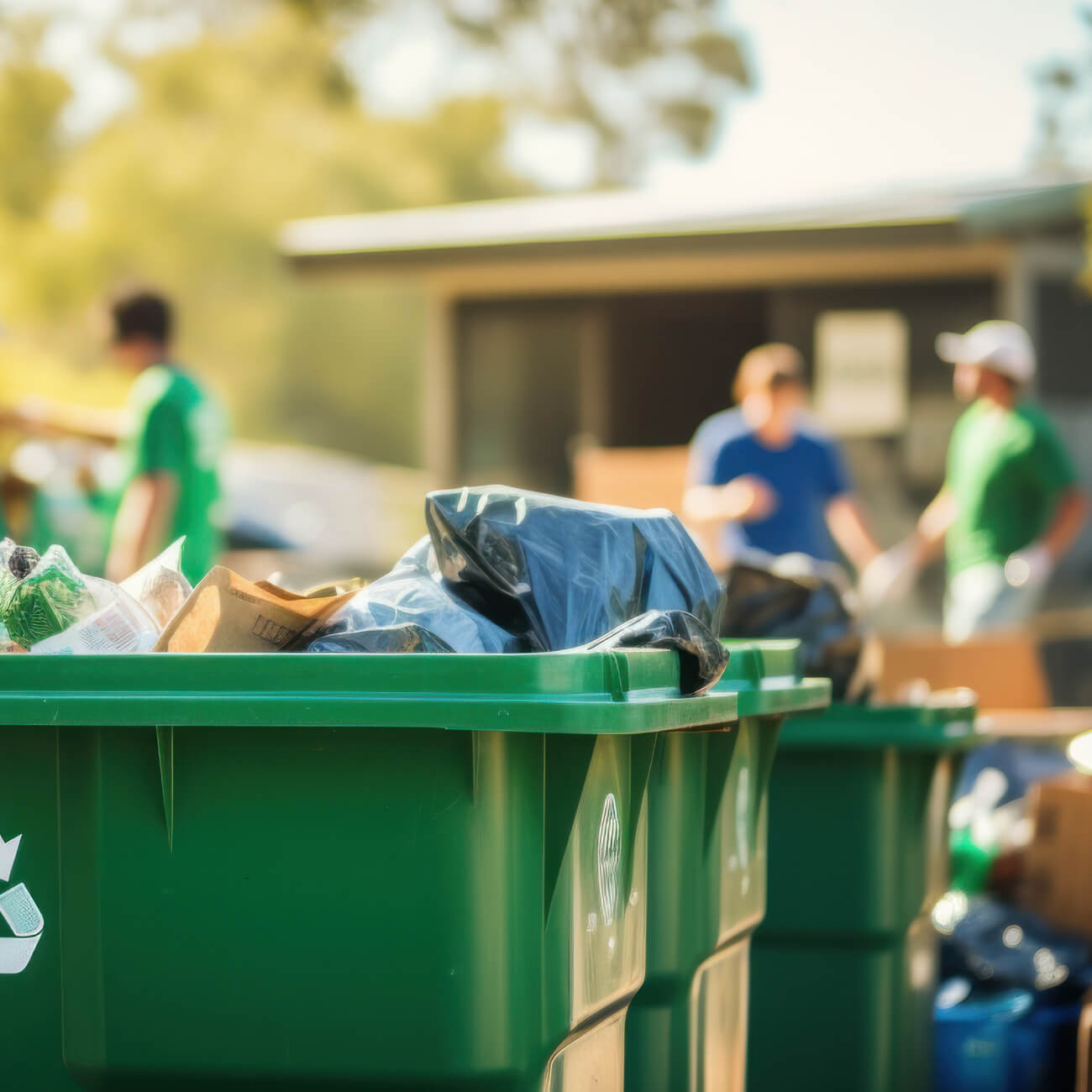
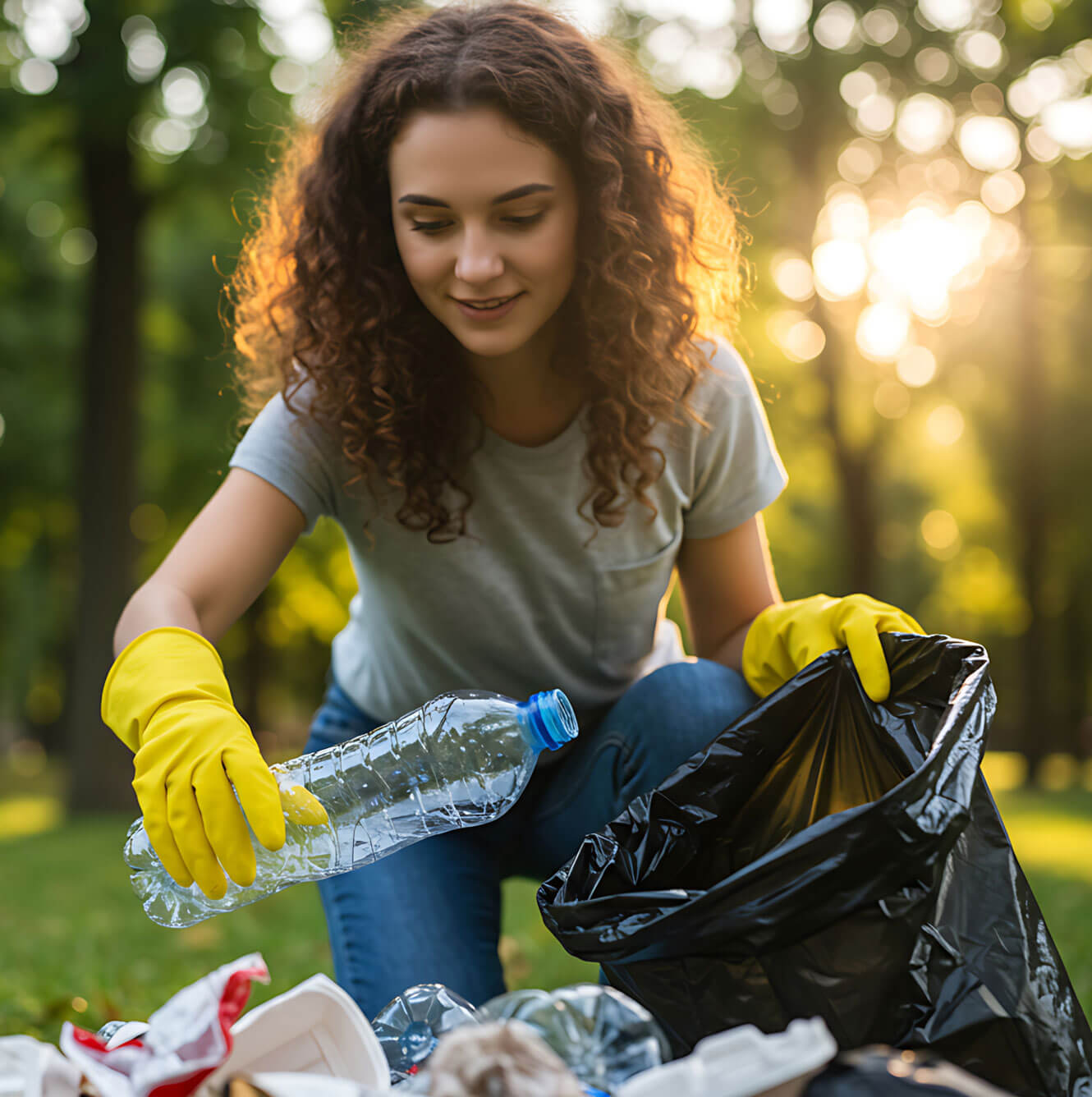
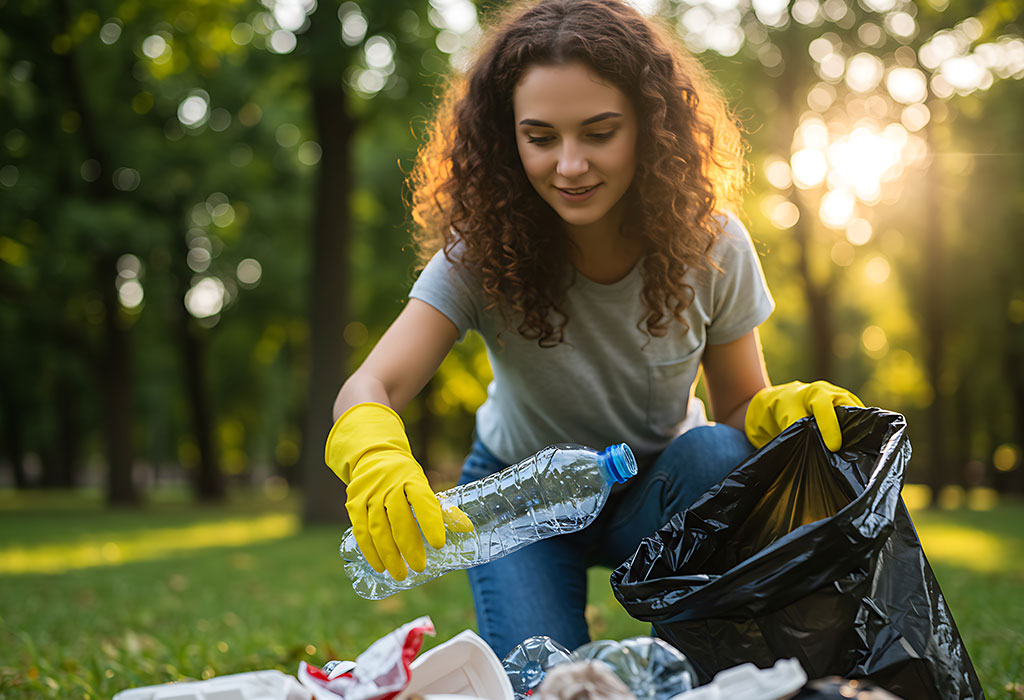
Building a zero waste future is no longer just an environmental aspiration—it is a necessity for preserving our planet’s resources and ensuring long-term sustainability. As global waste levels continue to rise, individuals, businesses, and governments must adopt smarter practices that minimize waste generation and promote efficient resource use. At the core of the zero waste philosophy is the idea of redesigning systems so that all products are reused, repaired, or recycled instead of discarded. This approach not only reduces landfill dependency but also conserves natural resources and lowers environmental pollution. By shifting from a linear to a circular economy, we can create a more balanced and sustainable ecosystem. “The greatest threat to our planet is the belief that someone else will save it. A zero waste future begins with the choices we make today and the responsibility we choose to carry forward.” — Robert Swan Communities play a crucial role in this transformation. From reducing single-use plastics to adopting composting and recycling habits, small changes at the individual level can lead to significant collective impact. Awareness and education are key drivers in encouraging people to make environmentally responsible choices in their daily lives. Businesses, too, have a major responsibility in building a zero waste future. By implementing sustainable production processes, optimizing packaging, and investing in recycling technologies, companies can reduce their environmental footprint while also improving operational efficiency and brand reputation. Looking ahead, innovation and collaboration will be essential in achieving zero waste goals. Governments, industries, and communities must work together to develop policies, technologies, and systems that support waste reduction and resource recovery. A zero waste future is achievable—but it requires commitment, creativity, and collective action.
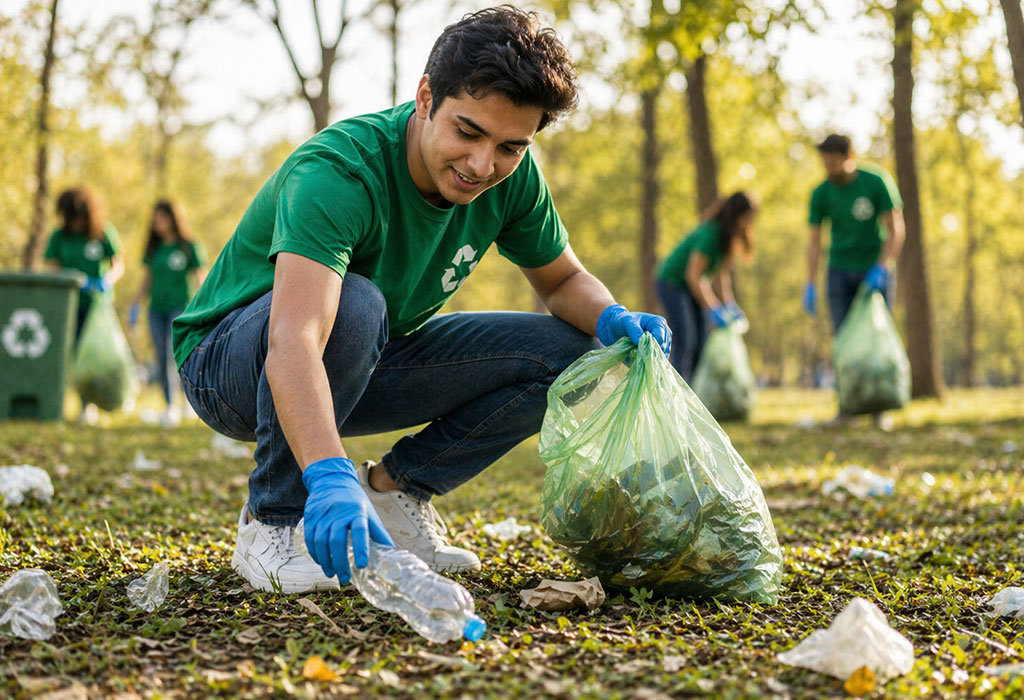
Innovative and Eco-Friendly Waste Management Solutions
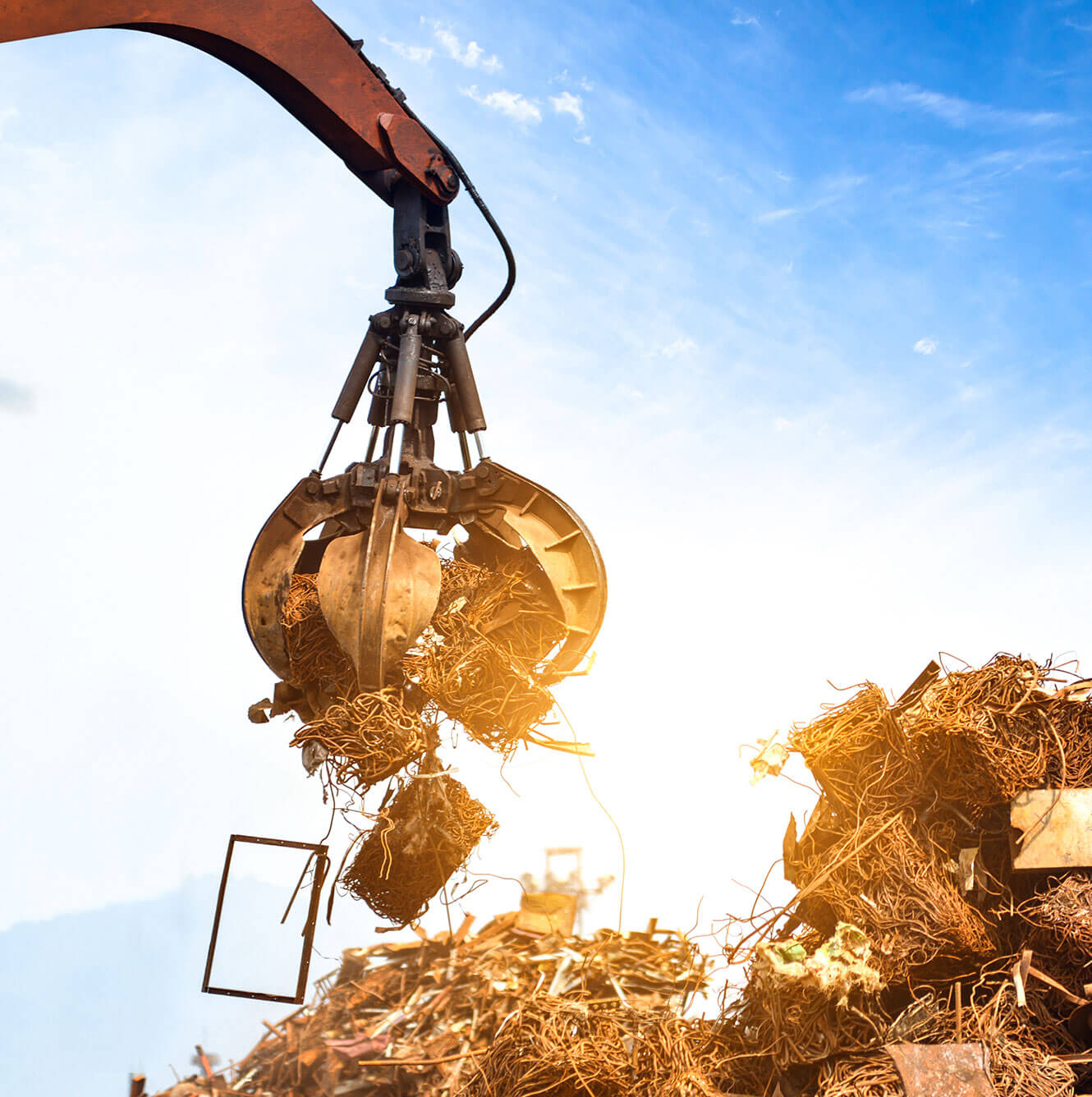
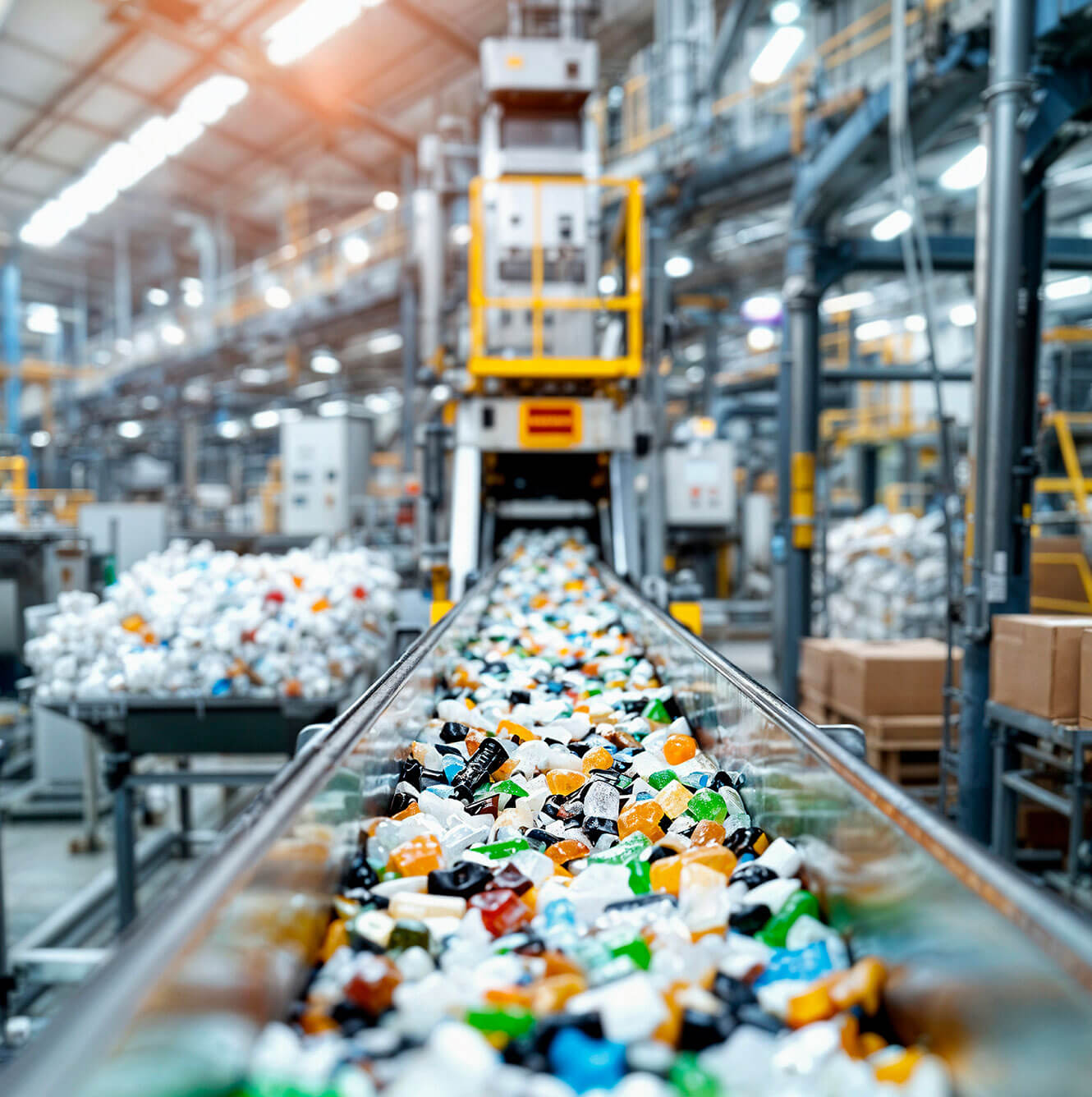
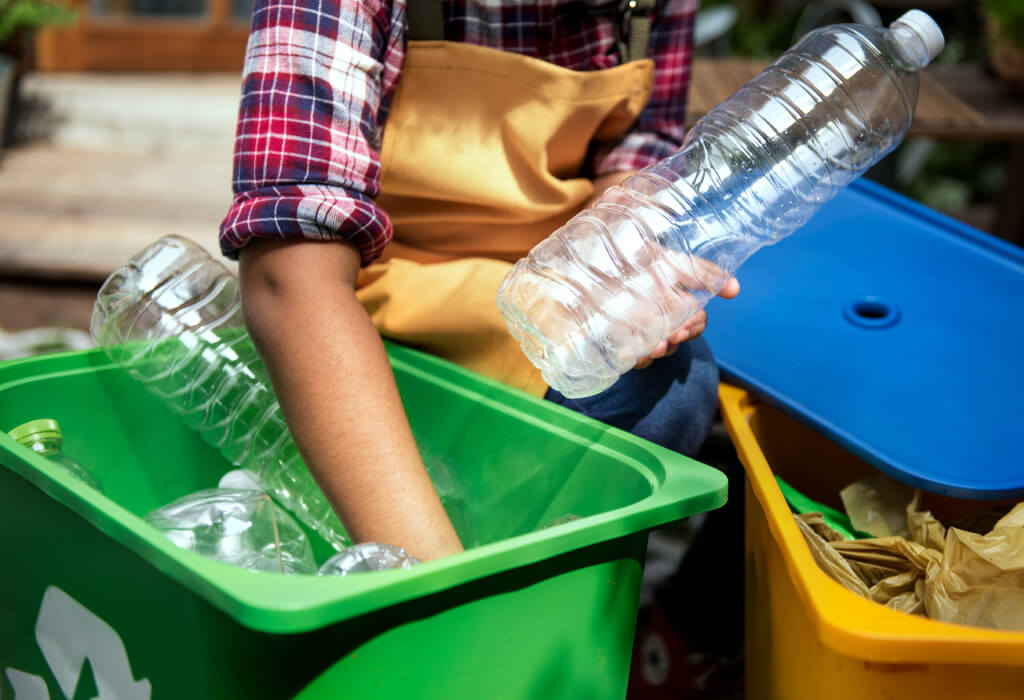
Eco-friendly waste solutions are transforming the way we manage and dispose of waste in today’s rapidly evolving world. With increasing environmental concerns, adopting sustainable practices has become essential for reducing pollution and conserving natural resources. By implementing smarter waste handling techniques, individuals and businesses can significantly lower their ecological footprint. One of the key aspects of eco-friendly waste management is recycling and reuse. Materials such as plastic, metal, paper, and organic waste can be repurposed into valuable resources, minimizing the need for raw material extraction. This not only conserves energy but also reduces greenhouse gas emissions, contributing to a healthier planet. “True sustainability is achieved when we stop viewing waste as something to discard and start recognizing it as a valuable resource that can be reused, recycled, and reintegrated into our daily lives for the betterment of our planet.” — Environmental Sustainability Expert Modern technologies are playing a crucial role in advancing sustainable waste solutions. From automated sorting systems to waste-to-energy conversion, innovation is making it easier to manage waste efficiently. These technologies help streamline operations, reduce landfill dependency, and create new opportunities for resource recovery. Community awareness and participation are equally important in achieving sustainability goals. Encouraging people to adopt simple habits like waste segregation, composting, and reducing single-use plastics can create a significant collective impact. Small actions, when multiplied across communities, lead to meaningful environmental change. Ultimately, eco-friendly waste solutions are not just about managing waste—they are about redefining our relationship with the environment. By embracing sustainable practices, we can build a cleaner, greener future where waste is seen as a resource rather than a problem.