





Reducing waste has become a critical part of building a sustainable and environmentally responsible lifestyle. With growing urbanization and consumption, the amount of waste generated daily continues to rise, making it essential to adopt smarter and more efficient waste reduction strategies. By making small yet impactful changes, individuals and businesses can significantly reduce their environmental footprint.
One of the most effective ways to minimize waste is by embracing the concept of mindful consumption. This involves choosing products with minimal packaging, opting for reusable alternatives, and avoiding single-use items whenever possible. Simple habits like carrying reusable bags, bottles, and containers can make a substantial difference over time.
“We do not inherit the Earth from our ancestors; we borrow it from our children. The choices we make today, especially in how we manage waste, will define the world they live in tomorrow.”
— Native American Proverb
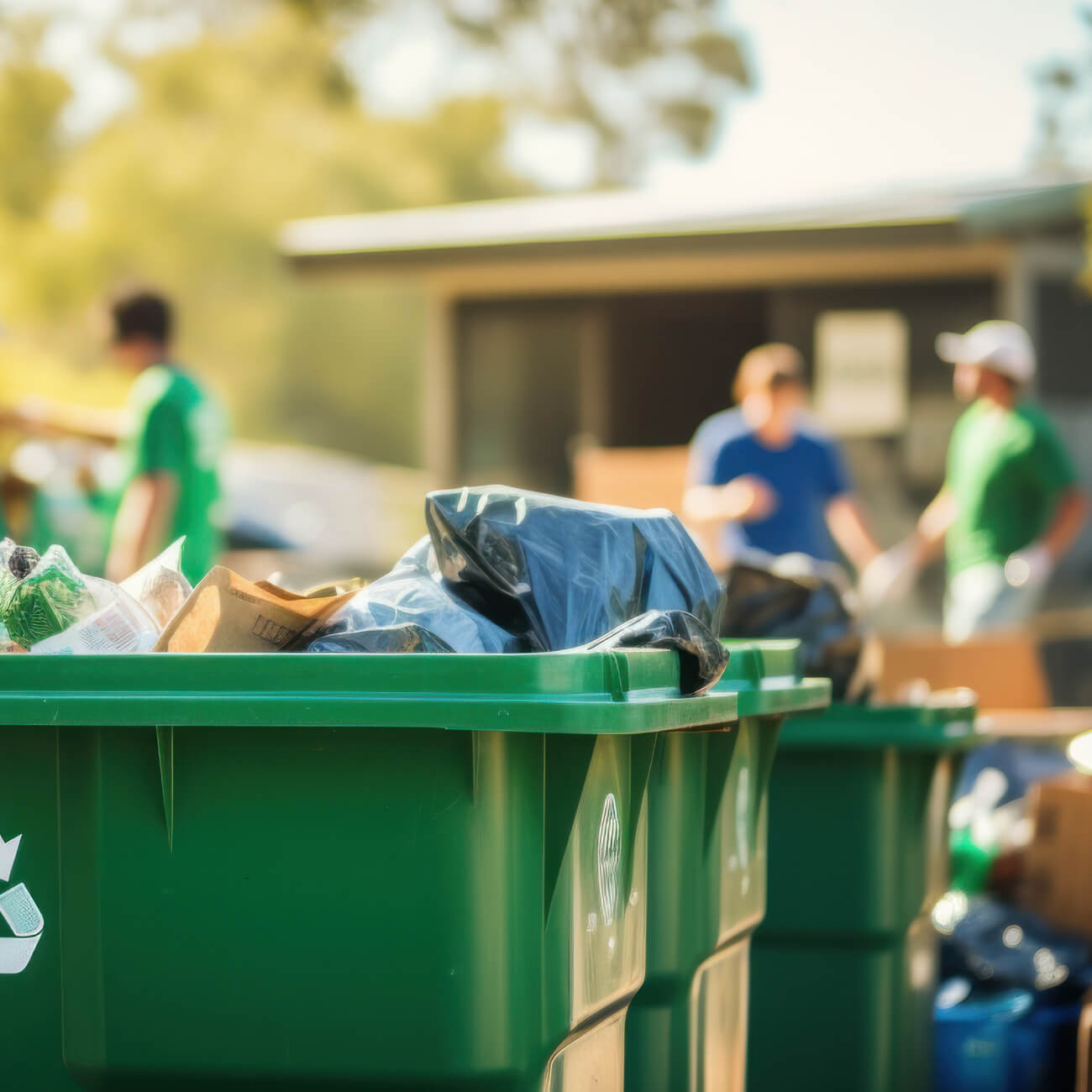
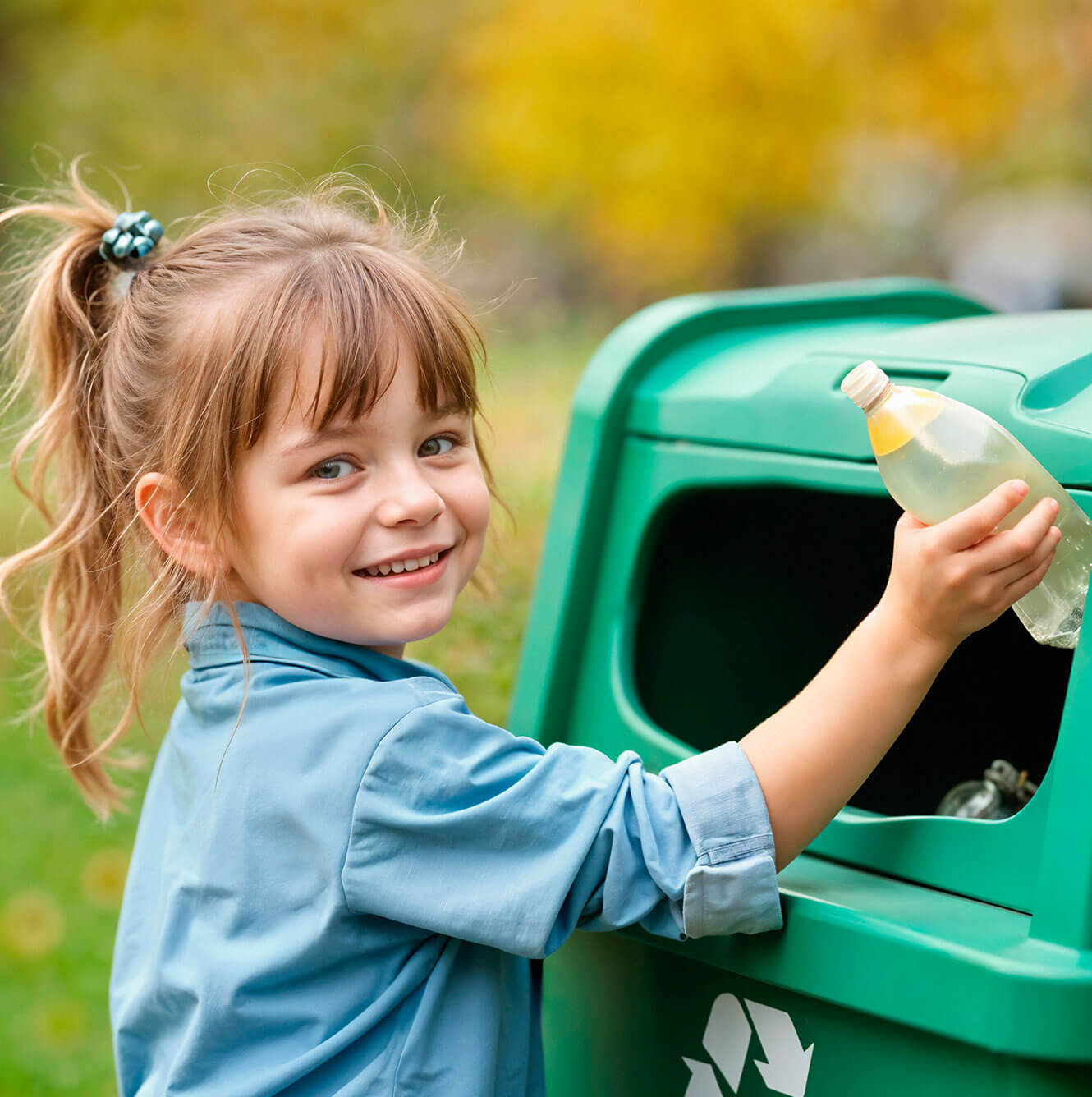
Recycling also plays a vital role in waste reduction, but it must be done correctly to be effective. Sorting waste properly, understanding recyclable materials, and supporting local recycling programs can enhance the overall efficiency of the recycling process. When combined with waste reduction efforts, recycling helps conserve natural resources and reduce landfill dependency.


Another smart approach is composting organic waste, which not only reduces the volume of waste sent to landfills but also creates nutrient-rich soil for gardening and agriculture. This method is especially beneficial for households and communities looking to adopt eco-friendly practices while contributing to a circular economy.
Ultimately, reducing waste is not just about managing trash—it’s about rethinking how we use resources. By adopting sustainable habits, promoting awareness, and leveraging innovative solutions, we can create a cleaner, healthier environment for future generations while fostering long-term ecological balance.
