


The Future of Waste Management and Recycling Solutions
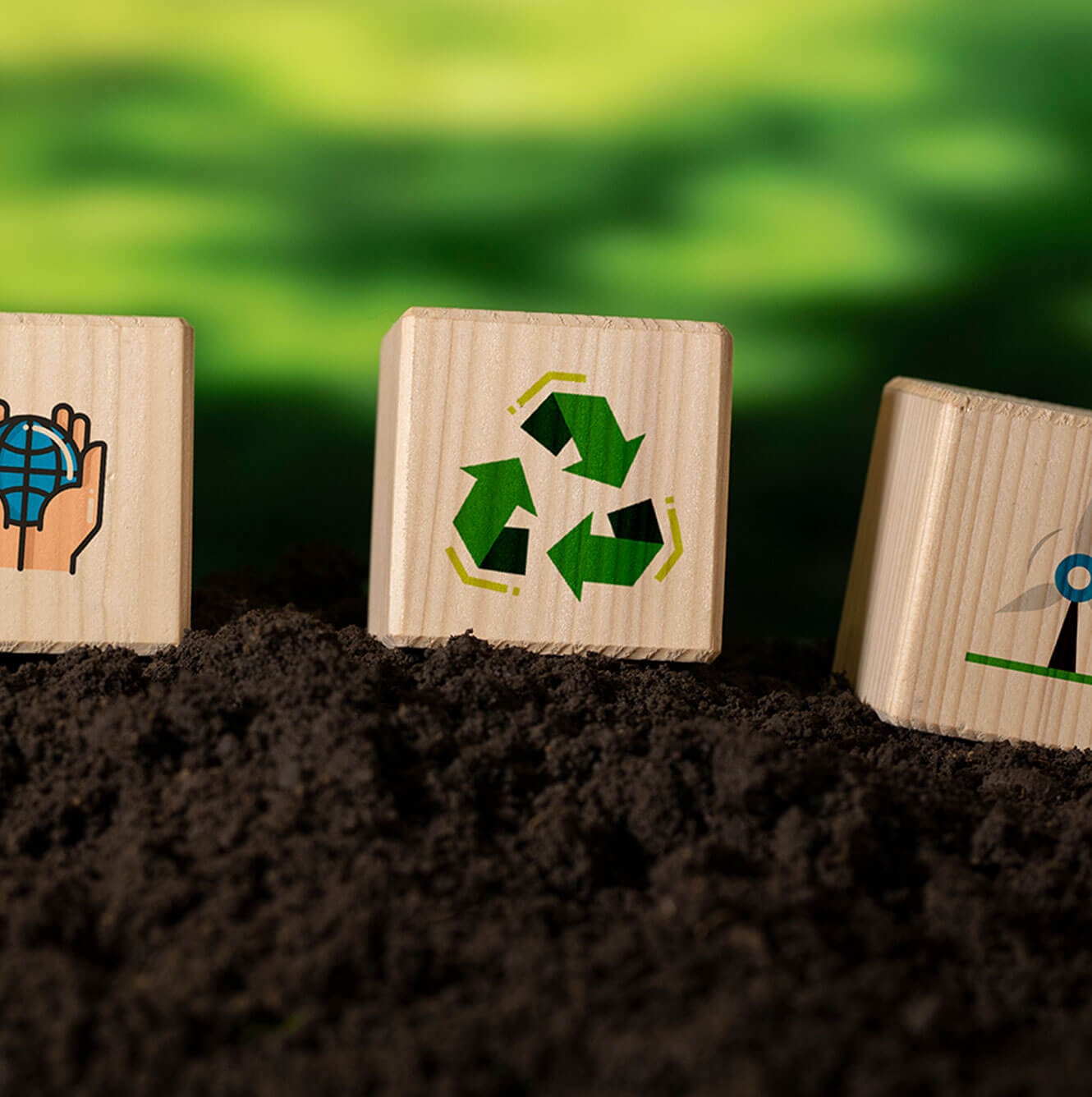
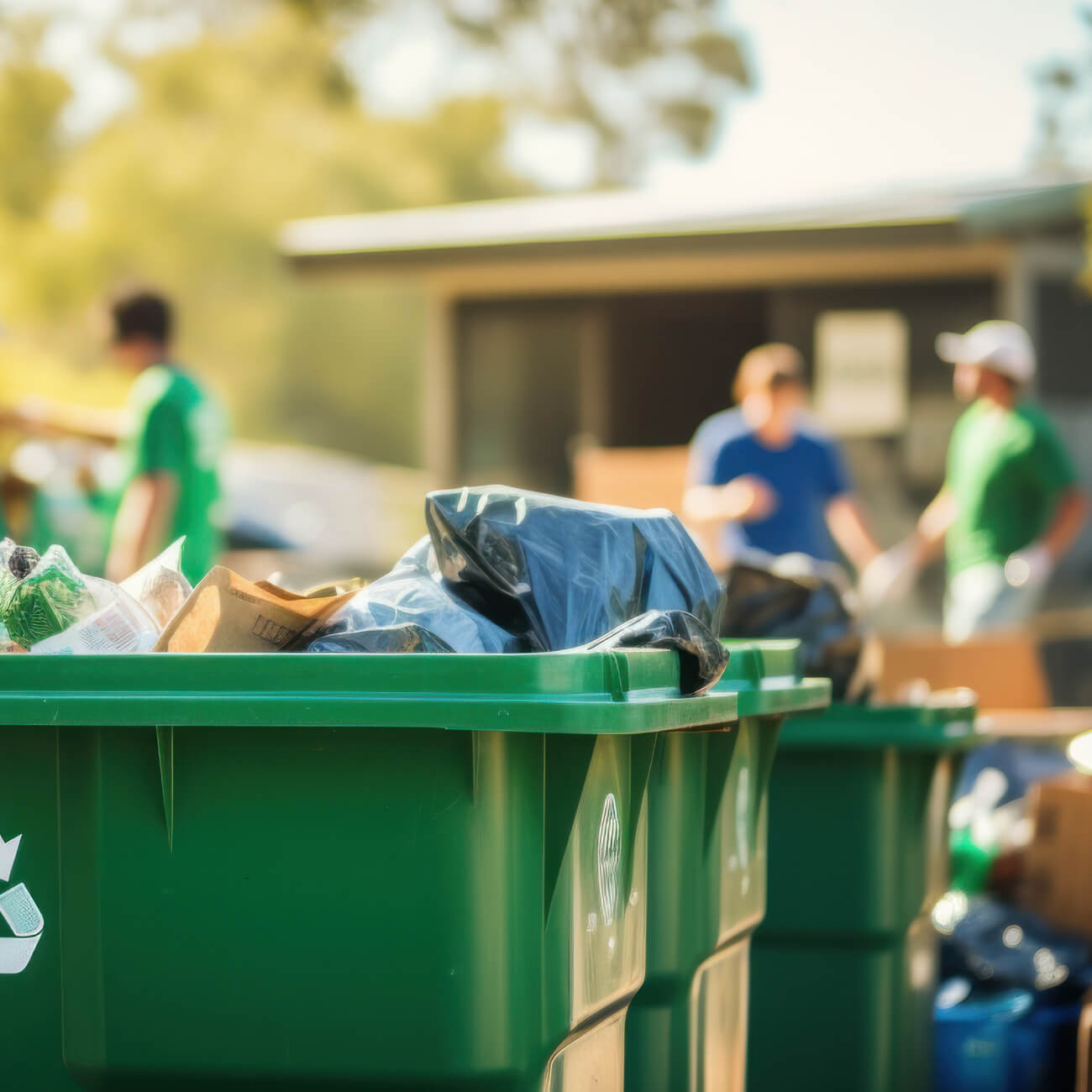
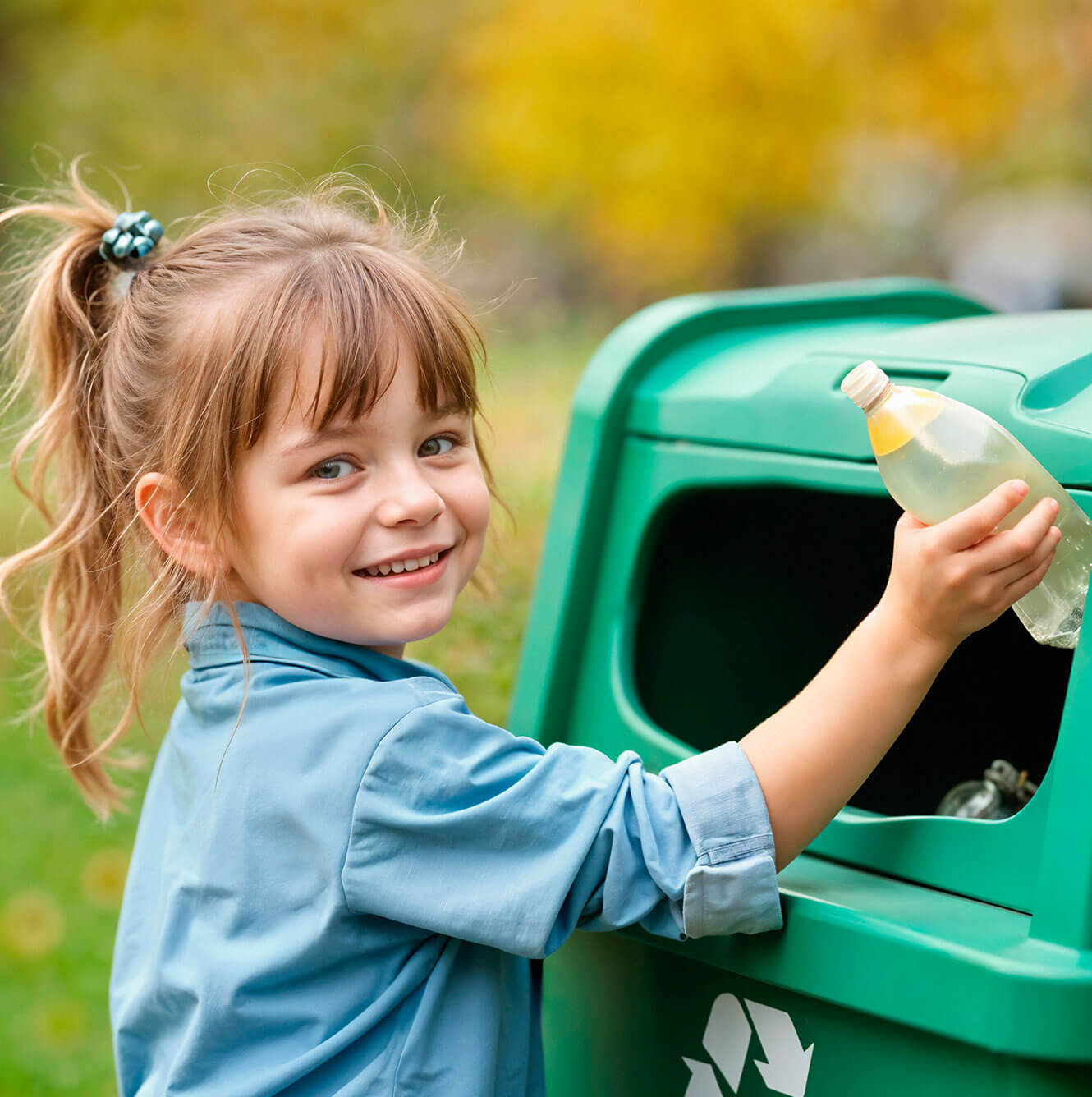
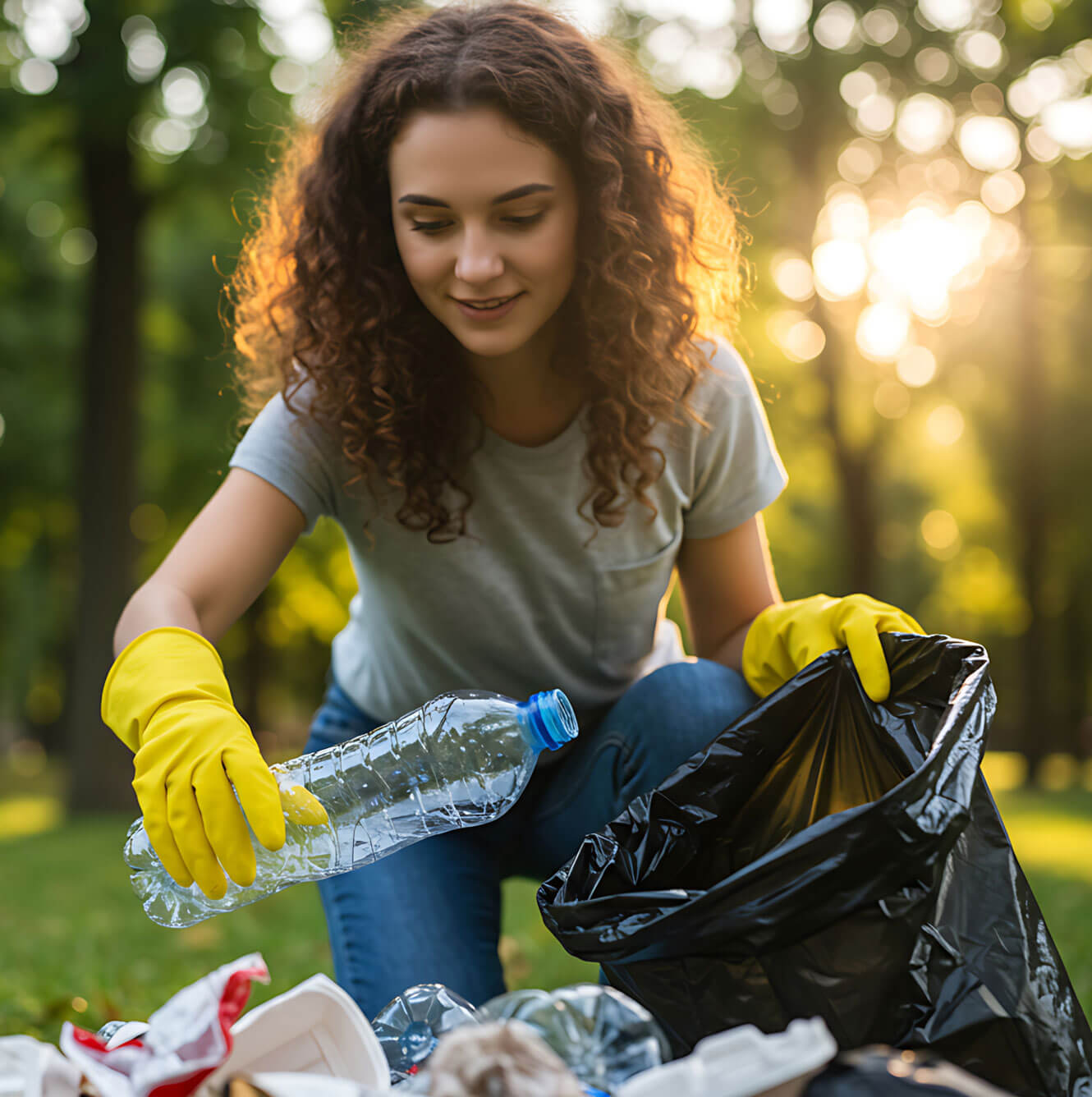
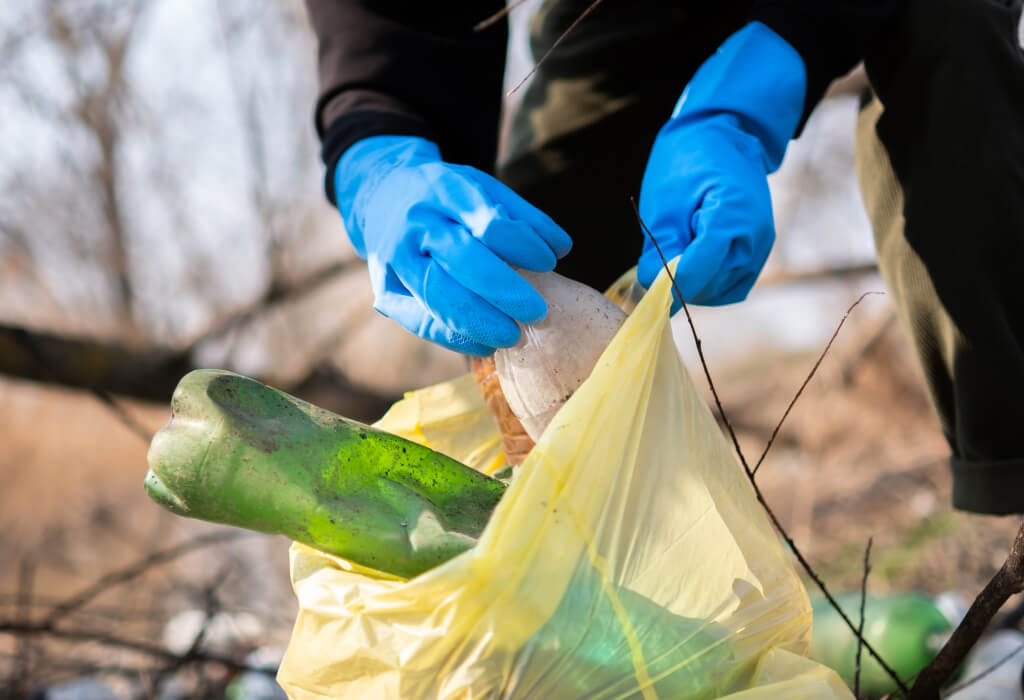
The future of waste management is rapidly evolving as global awareness around environmental sustainability continues to grow. With increasing urbanization and industrial expansion, traditional waste disposal methods are no longer sufficient. Modern solutions now focus on reducing waste generation, improving recycling efficiency, and minimizing environmental impact through smarter systems and technologies. Innovations such as automated waste sorting, AI-driven recycling processes, and smart waste collection systems are transforming how waste is handled. These advancements not only improve operational efficiency but also significantly reduce the amount of waste that ends up in landfills. As a result, businesses and municipalities are adopting more intelligent and data-driven approaches to waste management. “The Earth does not belong to us; we belong to the Earth. All things are connected like the blood that unites one family.” — Chief Seattle Sustainability is becoming the core principle behind every waste management strategy. Governments and organizations worldwide are implementing stricter regulations and encouraging eco-friendly practices. From reducing single-use plastics to promoting circular economy models, the focus is shifting toward long-term environmental responsibility rather than short-term convenience. Another key aspect of the future is community involvement. Public awareness campaigns and educational initiatives are empowering individuals to take responsibility for their waste. Simple actions like segregation at source, recycling, and reducing consumption play a vital role in creating a cleaner and greener environment. As technology and sustainability continue to intersect, the waste management industry is set to become more efficient, transparent, and environmentally conscious. The future holds promising opportunities for innovation, collaboration, and global impact, paving the way for a world where waste is no longer seen as a problem but as a valuable resource.
How Recycling Helps Save Valuable Natural Resources
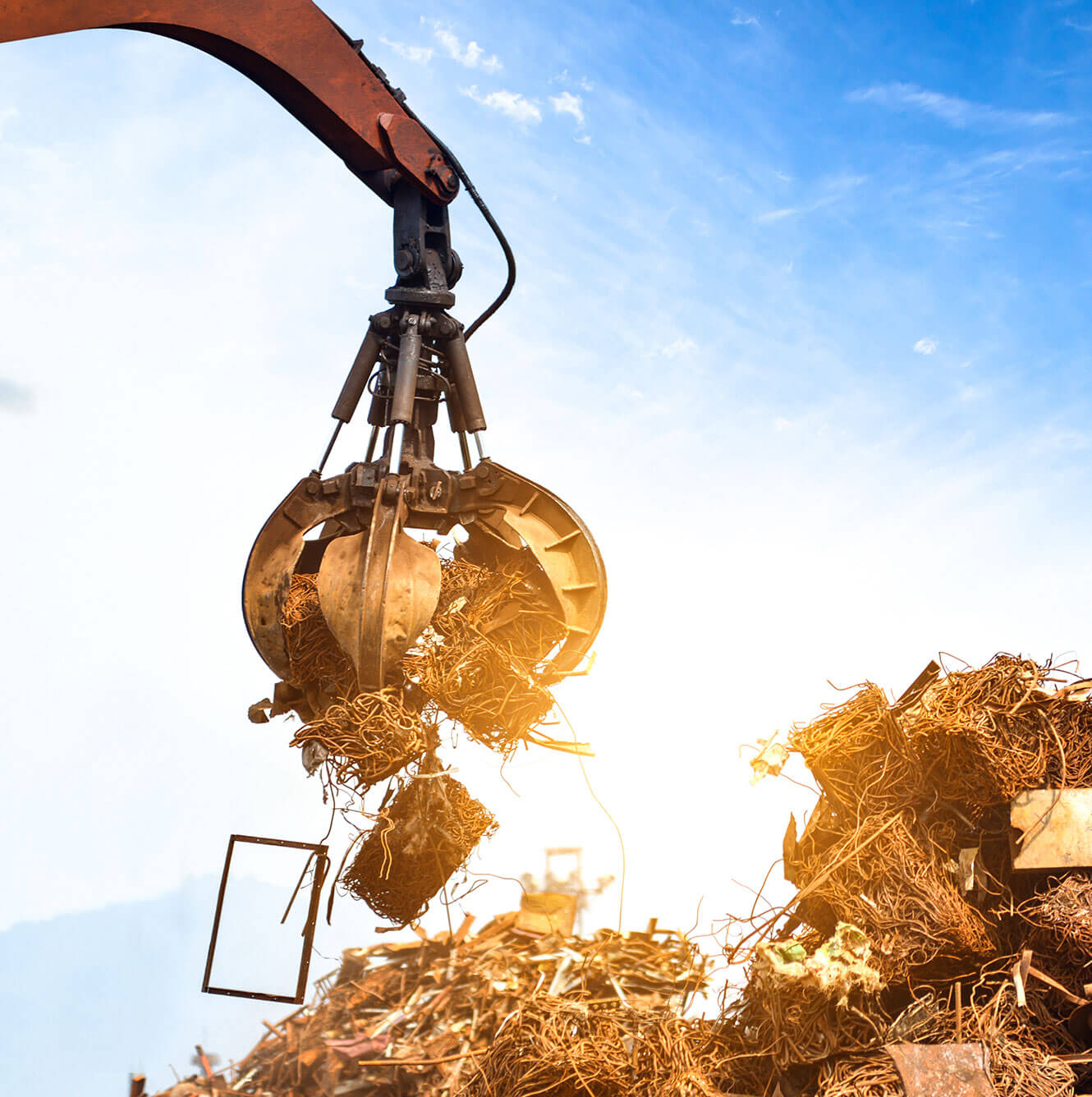
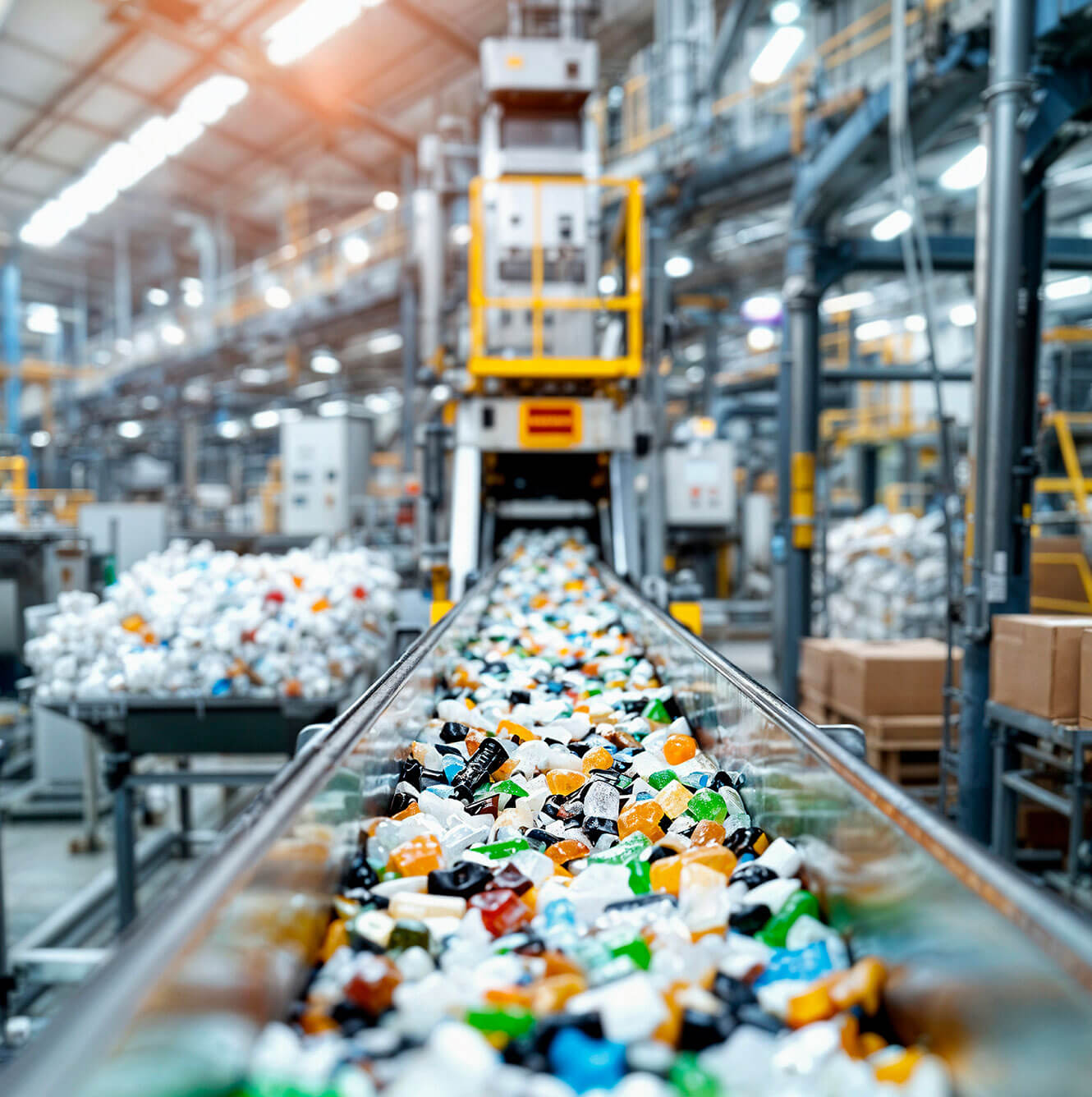
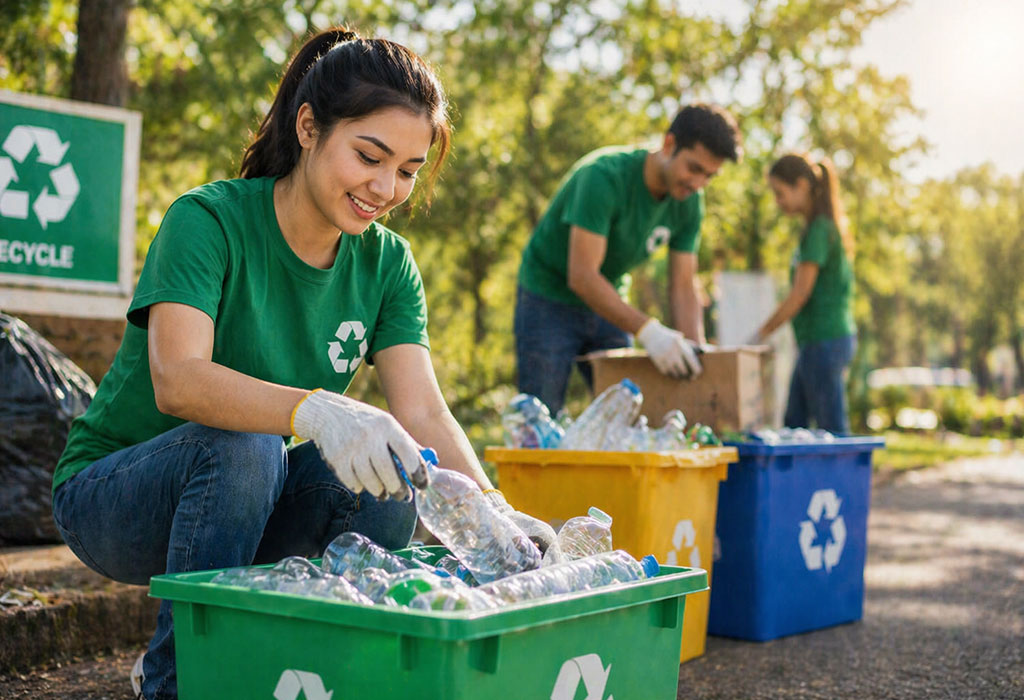
Recycling plays a crucial role in conserving the planet’s natural resources by reducing the need for raw material extraction. When materials like paper, plastic, glass, and metal are reused, it decreases the demand for mining, logging, and drilling, which are often harmful to the environment. This process helps preserve ecosystems and protects biodiversity from unnecessary disruption. By recycling everyday waste, we significantly reduce energy consumption. Manufacturing products from recycled materials typically requires far less energy compared to producing them from virgin resources. For example, recycling aluminum saves up to 95% of the energy needed to create it from raw materials, making it one of the most efficient sustainability practices available today. “We do not inherit the Earth from our ancestors; we borrow it from our children. Every resource we consume, every piece of waste we create, and every choice we make shapes the world they will live in—making it our responsibility to protect, preserve, and sustain the planet for future generations.” — Native American Proverb Another major benefit of recycling is the reduction of landfill waste. As waste accumulates, it not only occupies valuable land but also contributes to pollution and greenhouse gas emissions. Recycling helps divert large amounts of waste away from landfills, minimizing environmental damage and promoting cleaner surroundings. Recycling also supports the circular economy, where materials are continuously reused rather than discarded. This approach ensures that resources remain in use for as long as possible, extracting maximum value before recovery and regeneration. It encourages industries to design products with sustainability in mind, fostering long-term environmental responsibility. Ultimately, recycling empowers individuals and businesses to make a positive impact on the environment. Small actions, when multiplied across communities, lead to significant resource conservation and environmental protection. By embracing recycling practices, we move closer to a sustainable future where resources are used wisely and preserved for generations to come.