
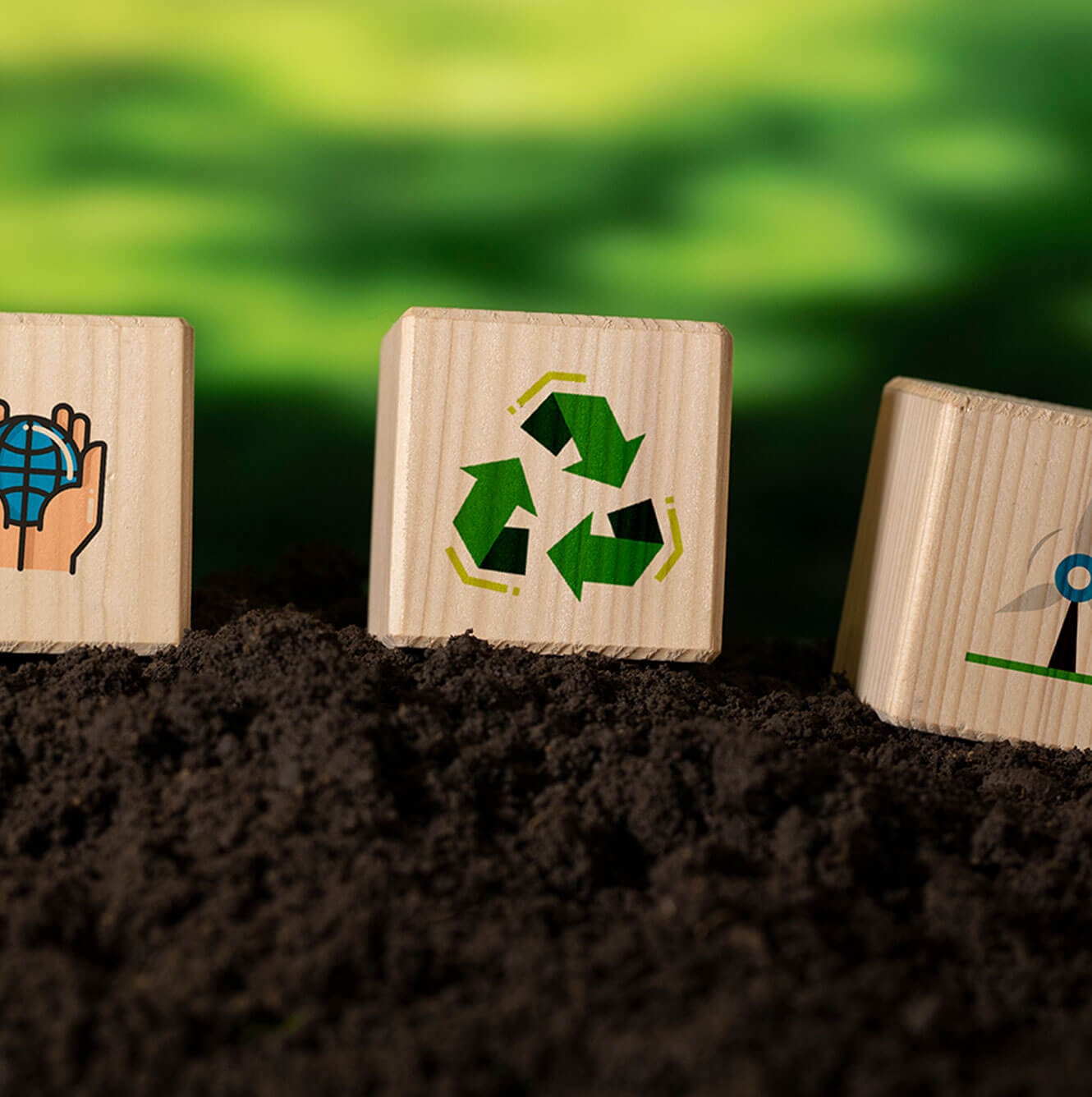
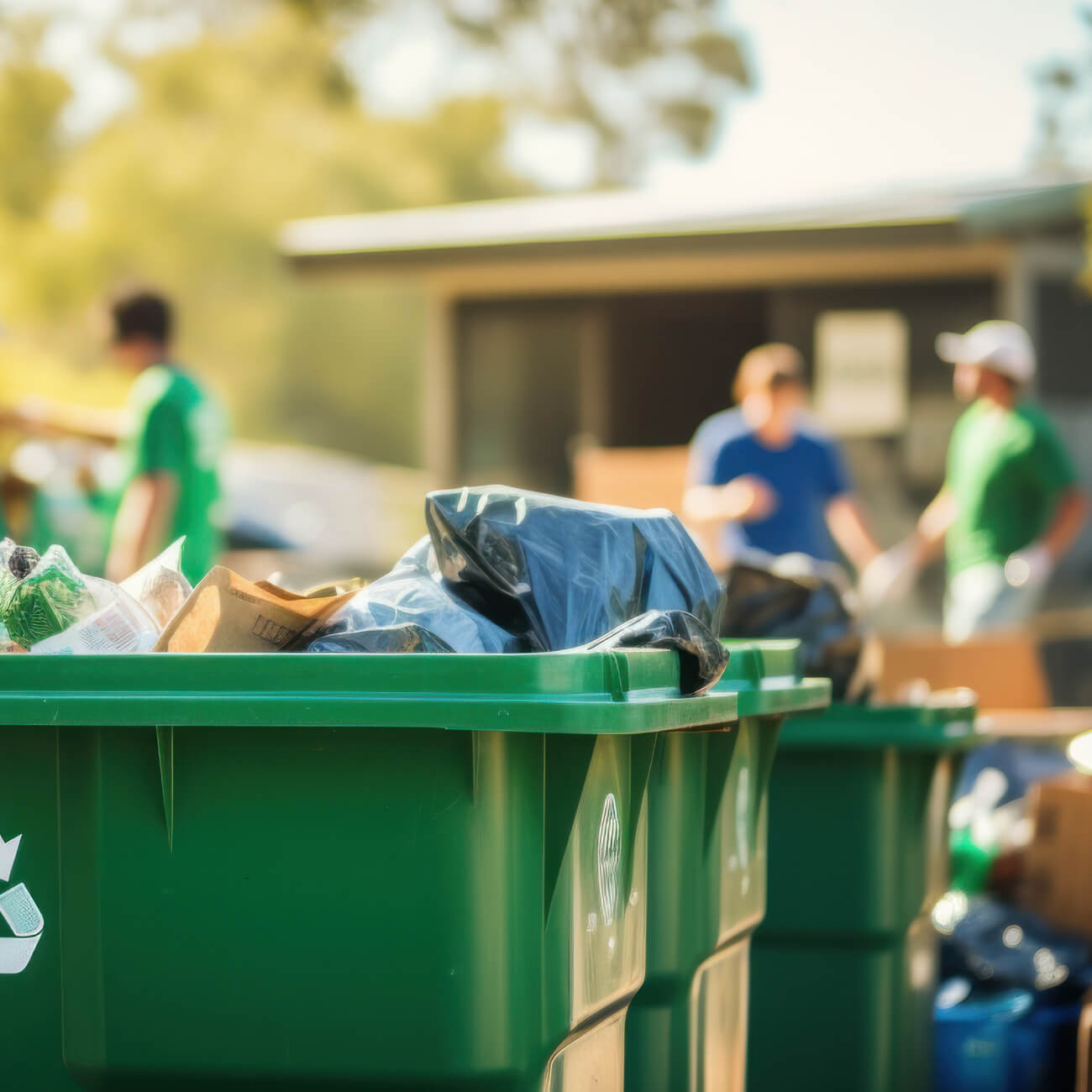
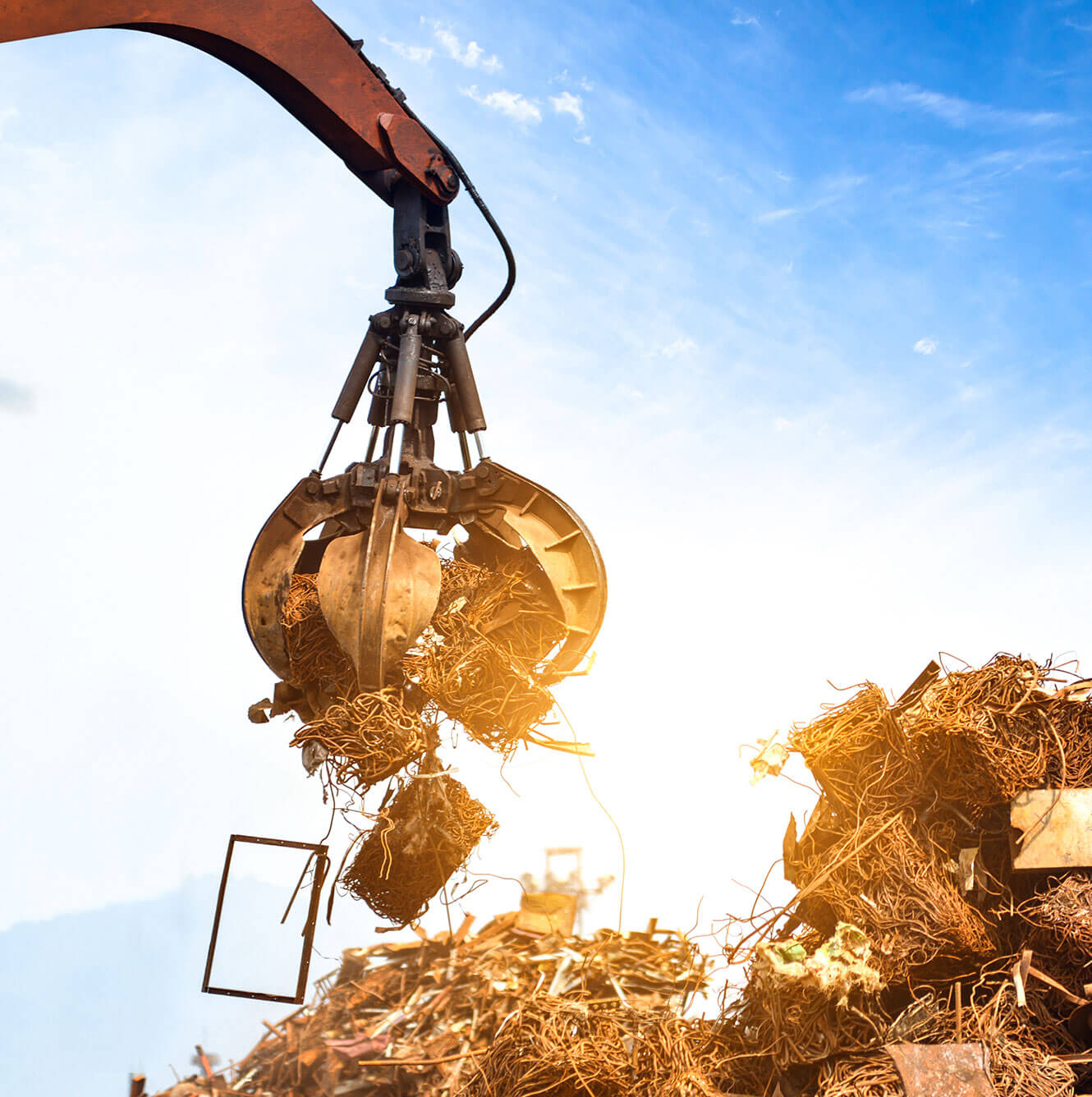
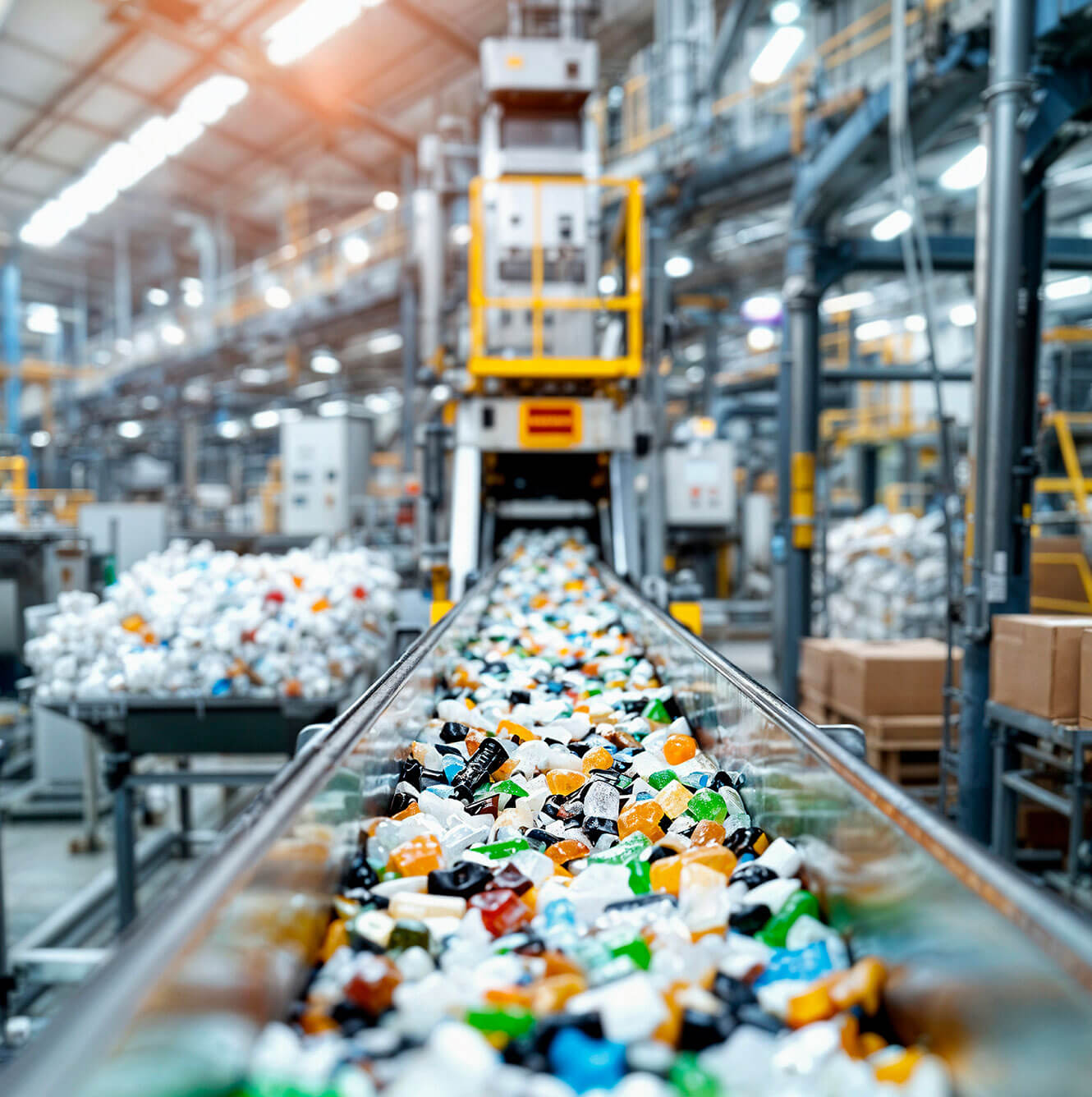
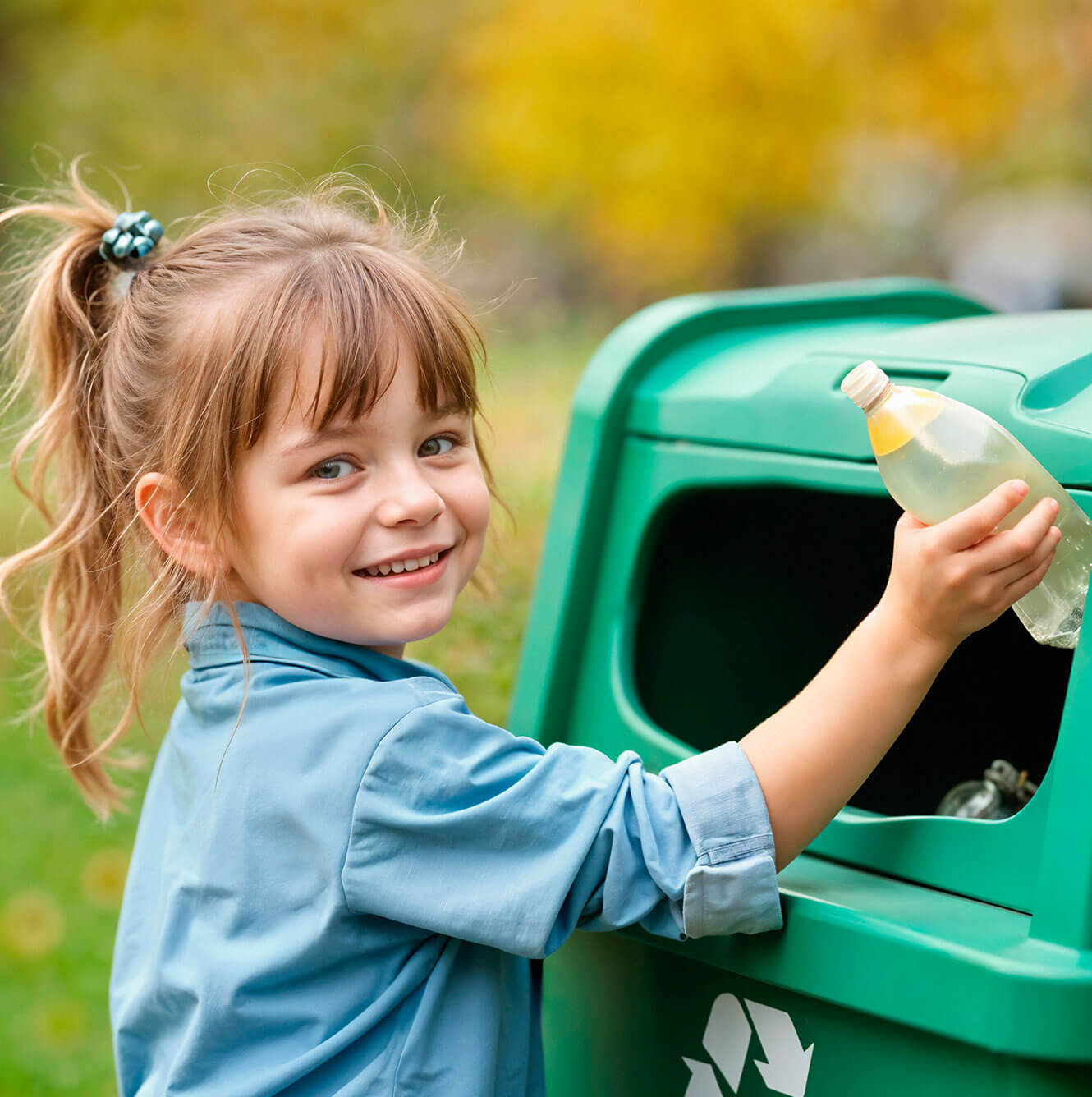
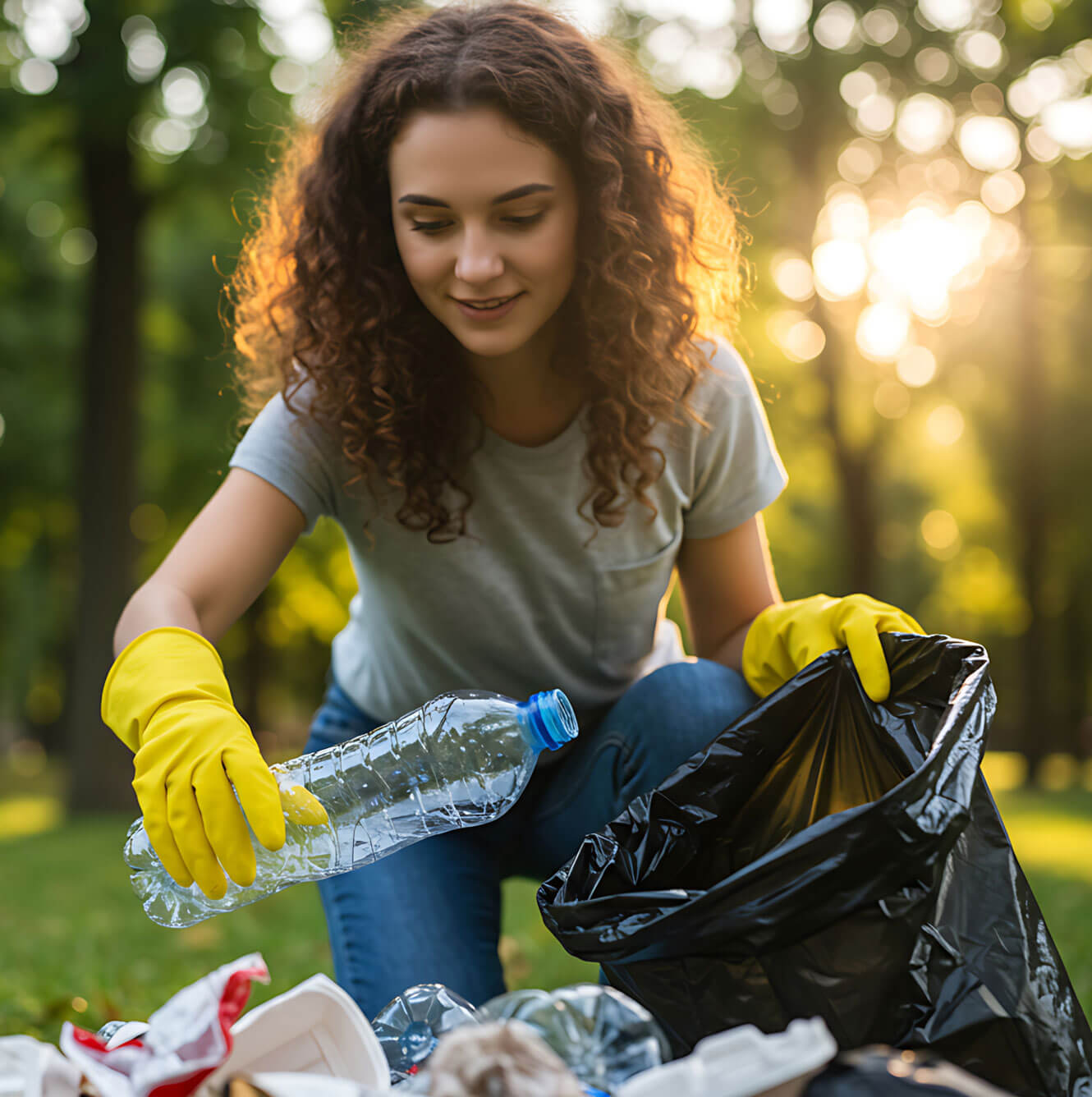


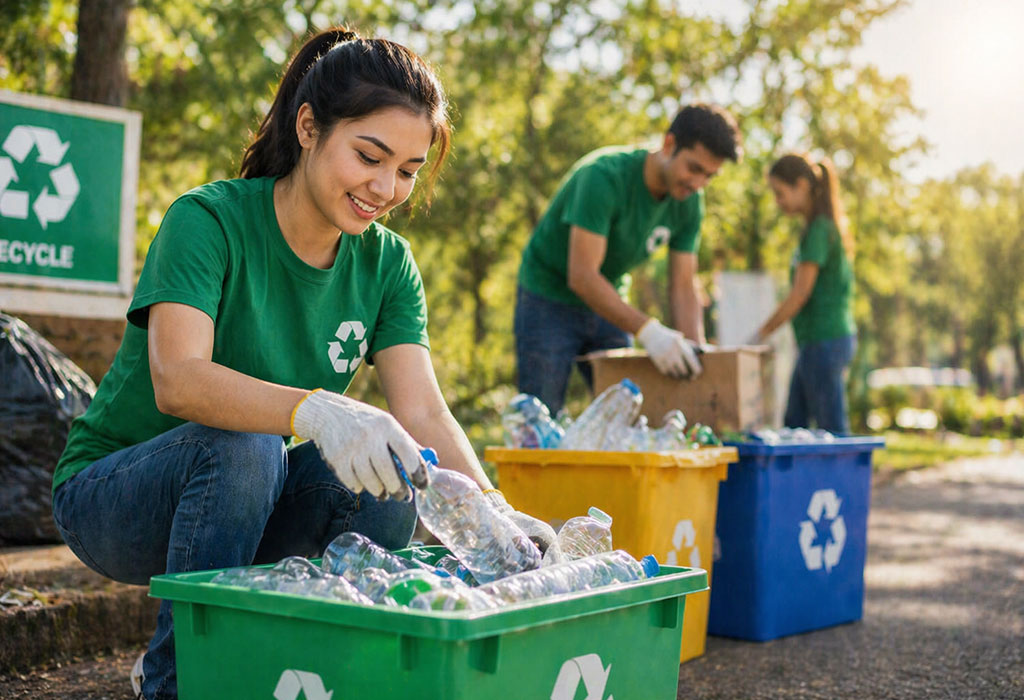
Recycling plays a crucial role in conserving the planet’s natural resources by reducing the need for raw material extraction. When materials like paper, plastic, glass, and metal are reused, it decreases the demand for mining, logging, and drilling, which are often harmful to the environment. This process helps preserve ecosystems and protects biodiversity from unnecessary disruption.
By recycling everyday waste, we significantly reduce energy consumption. Manufacturing products from recycled materials typically requires far less energy compared to producing them from virgin resources. For example, recycling aluminum saves up to 95% of the energy needed to create it from raw materials, making it one of the most efficient sustainability practices available today.
“We do not inherit the Earth from our ancestors; we borrow it from our children. Every resource we consume, every piece of waste we create, and every choice we make shapes the world they will live in—making it our responsibility to protect, preserve, and sustain the planet for future generations.”
— Native American Proverb
Another major benefit of recycling is the reduction of landfill waste. As waste accumulates, it not only occupies valuable land but also contributes to pollution and greenhouse gas emissions. Recycling helps divert large amounts of waste away from landfills, minimizing environmental damage and promoting cleaner surroundings.


Recycling also supports the circular economy, where materials are continuously reused rather than discarded. This approach ensures that resources remain in use for as long as possible, extracting maximum value before recovery and regeneration. It encourages industries to design products with sustainability in mind, fostering long-term environmental responsibility.
Ultimately, recycling empowers individuals and businesses to make a positive impact on the environment. Small actions, when multiplied across communities, lead to significant resource conservation and environmental protection. By embracing recycling practices, we move closer to a sustainable future where resources are used wisely and preserved for generations to come.
