
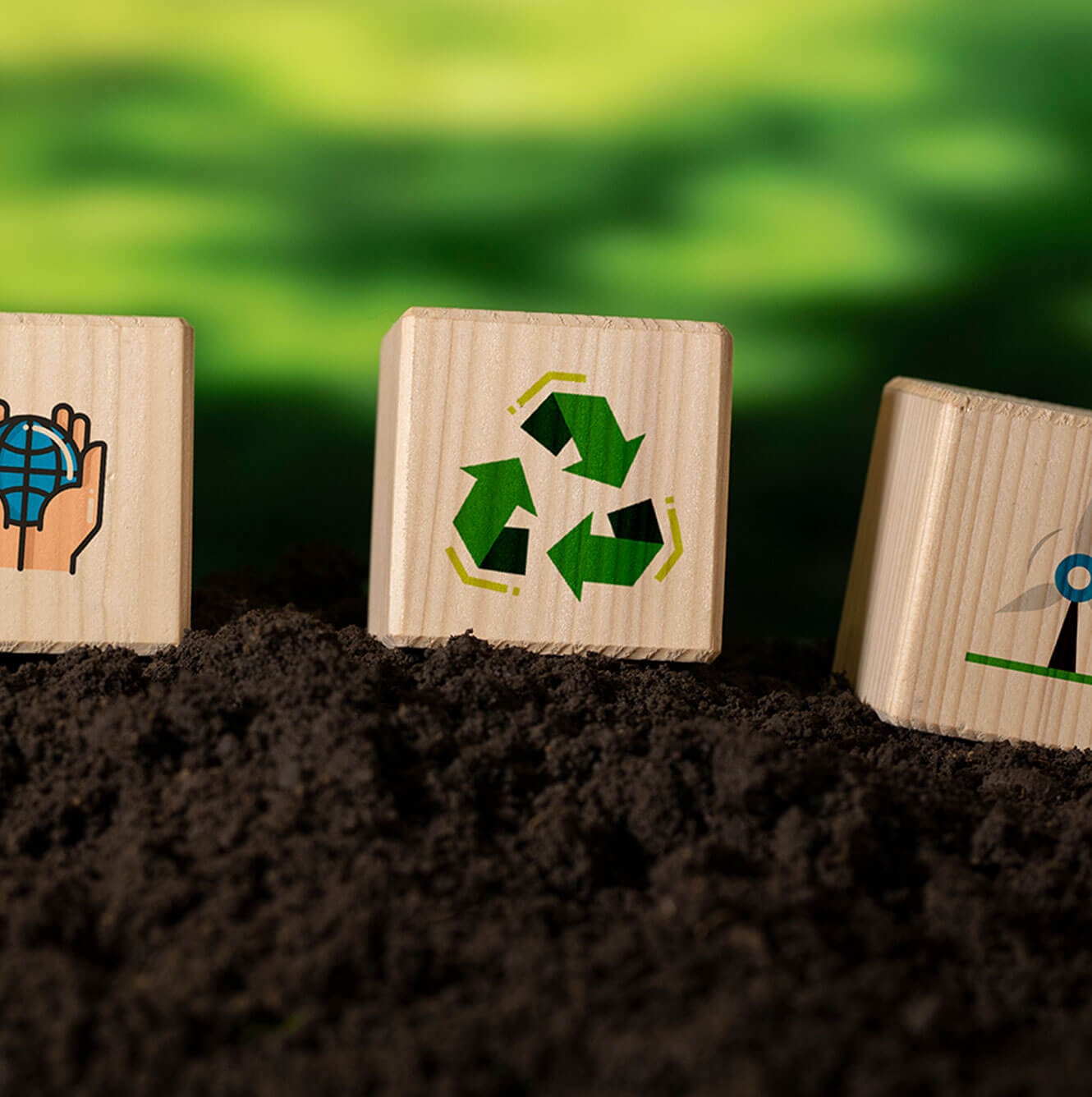






Building a zero waste future is no longer just an environmental aspiration—it is a necessity for preserving our planet’s resources and ensuring long-term sustainability. As global waste levels continue to rise, individuals, businesses, and governments must adopt smarter practices that minimize waste generation and promote efficient resource use.
At the core of the zero waste philosophy is the idea of redesigning systems so that all products are reused, repaired, or recycled instead of discarded. This approach not only reduces landfill dependency but also conserves natural resources and lowers environmental pollution. By shifting from a linear to a circular economy, we can create a more balanced and sustainable ecosystem.
“The greatest threat to our planet is the belief that someone else will save it. A zero waste future begins with the choices we make today and the responsibility we choose to carry forward.”
— Robert Swan
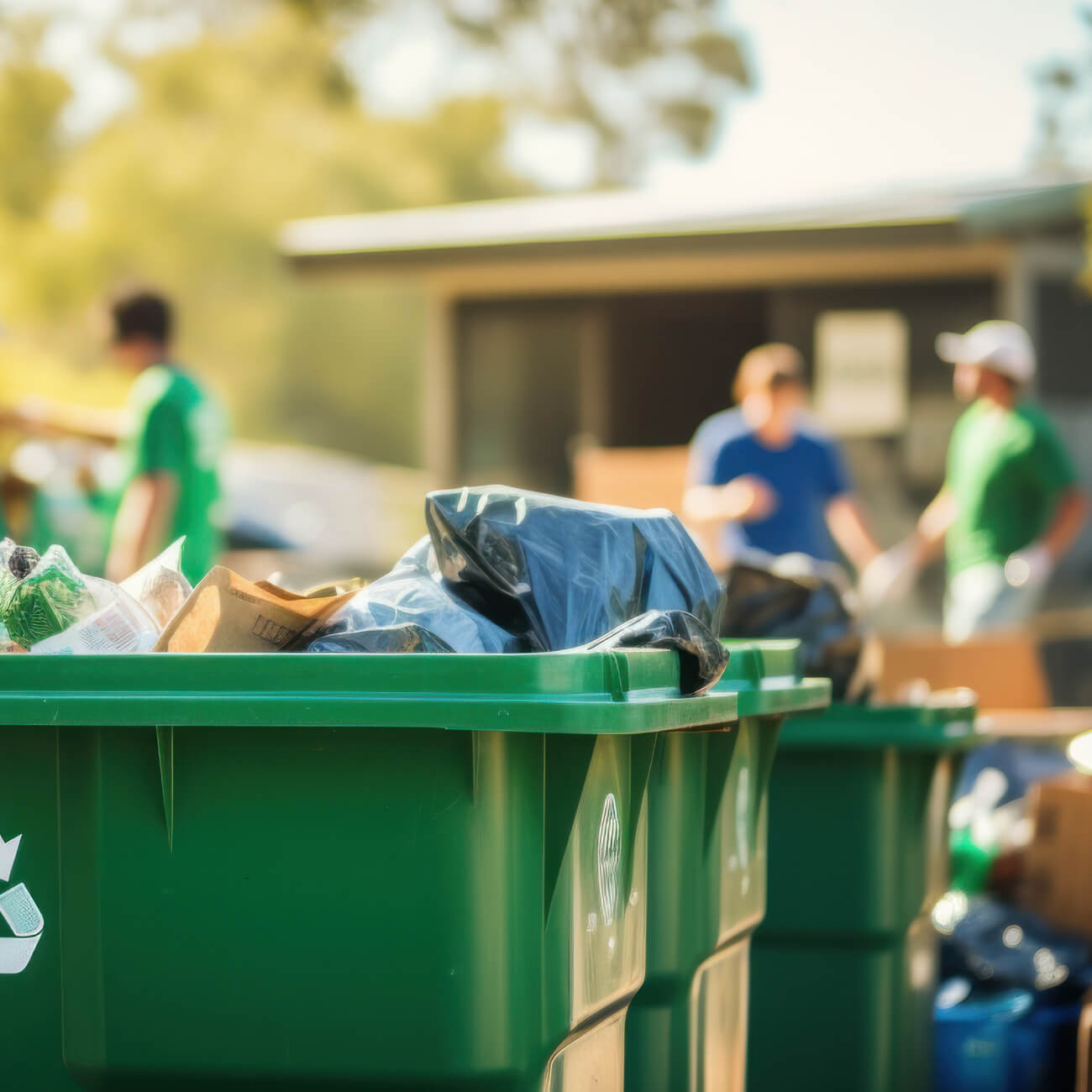
Communities play a crucial role in this transformation. From reducing single-use plastics to adopting composting and recycling habits, small changes at the individual level can lead to significant collective impact. Awareness and education are key drivers in encouraging people to make environmentally responsible choices in their daily lives.


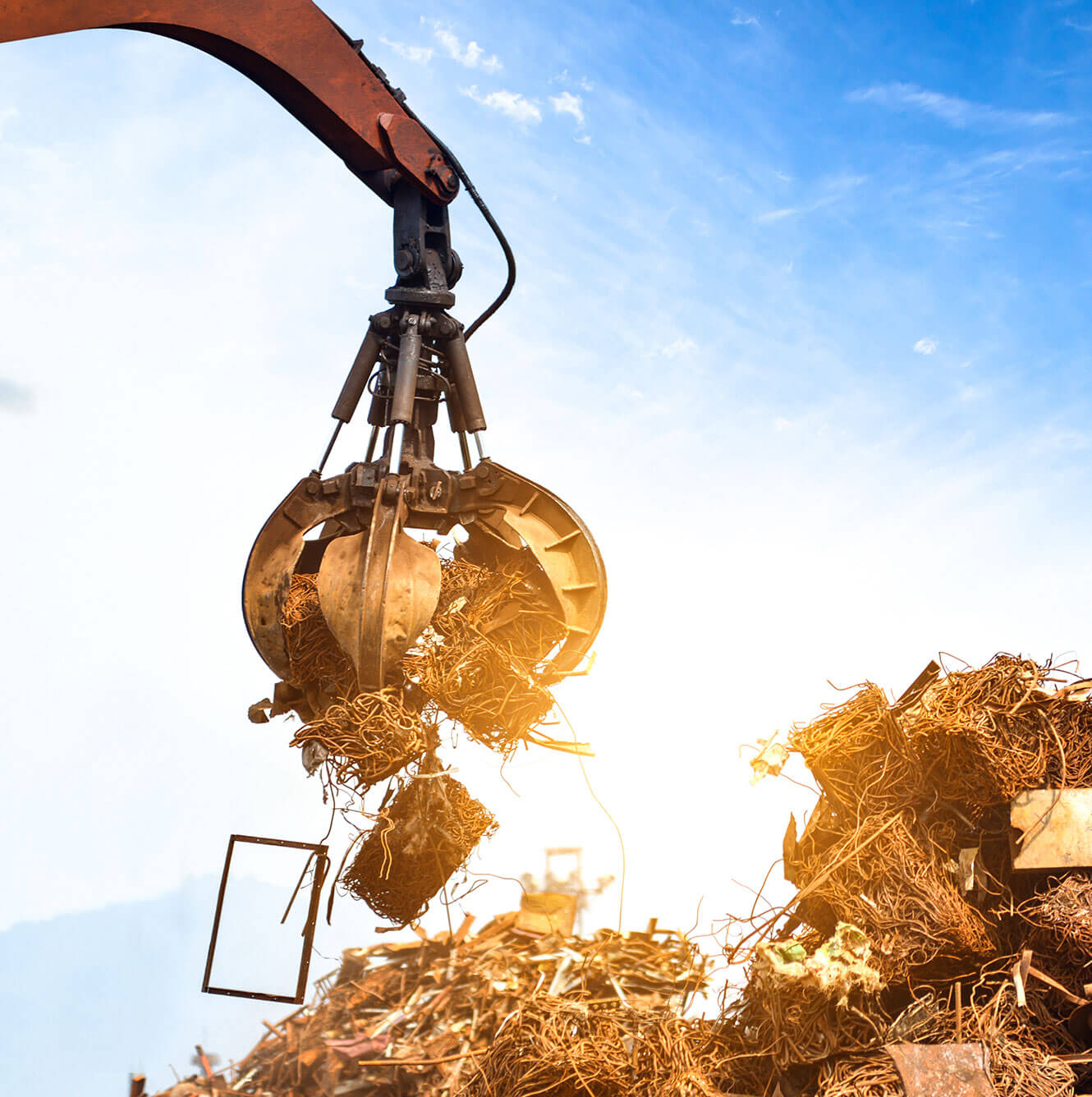
Businesses, too, have a major responsibility in building a zero waste future. By implementing sustainable production processes, optimizing packaging, and investing in recycling technologies, companies can reduce their environmental footprint while also improving operational efficiency and brand reputation.
Looking ahead, innovation and collaboration will be essential in achieving zero waste goals. Governments, industries, and communities must work together to develop policies, technologies, and systems that support waste reduction and resource recovery. A zero waste future is achievable—but it requires commitment, creativity, and collective action.
